Why Skipping This Step Is Costing You Flavor
Let’s talk about your meat. If you’re slicing into your tri-tip the second it comes off the grill…we need to fix that.
Resting your meat isn’t optional — it’s essential for us. And the difference between resting and not resting is the difference between juicy, flavorful bites and a cutting board full of wasted juices.
To prove it, @heatstrokesbbq cooked two identical tri-tips side by side.
Same trim.
Same seasoning.
Same reverse sear method.
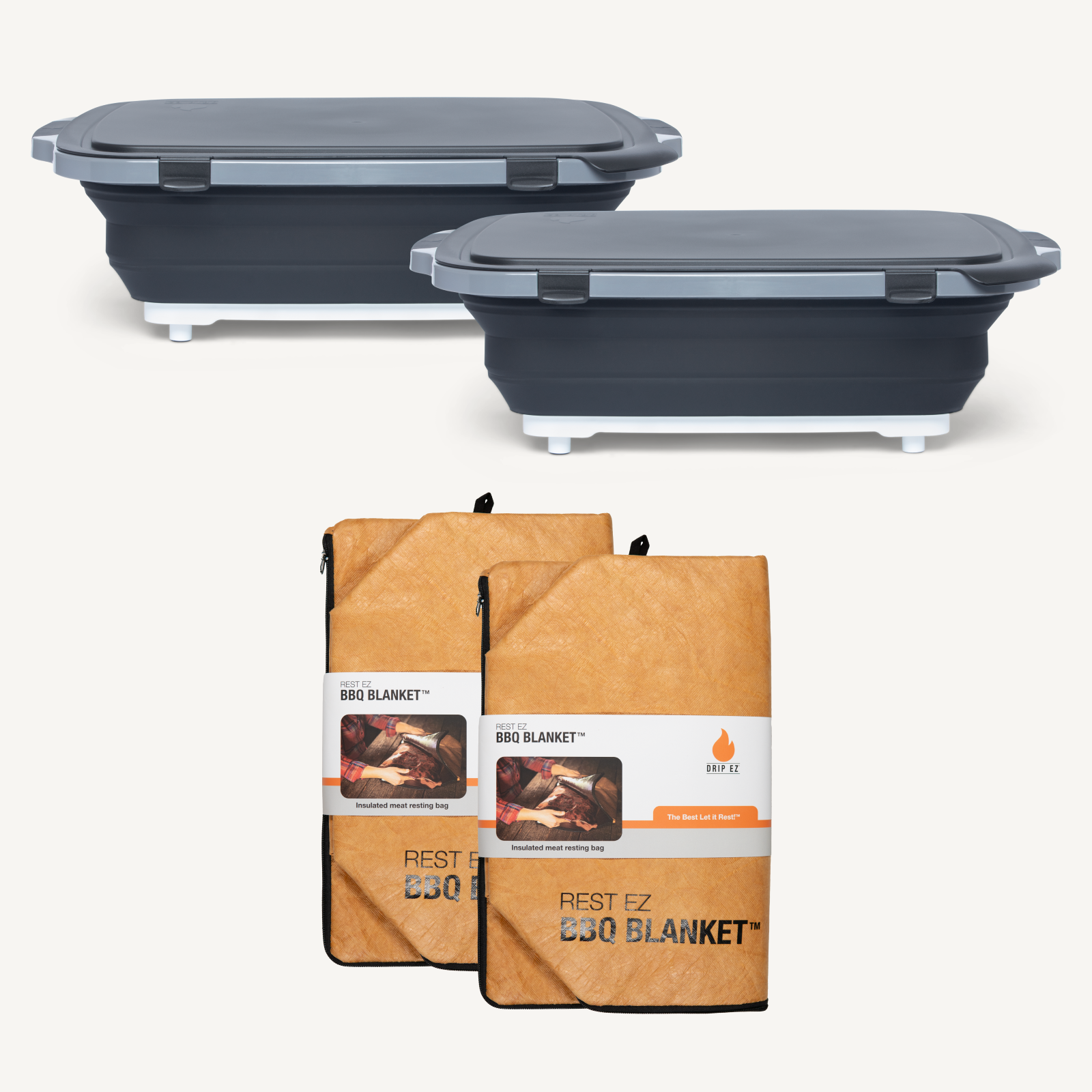
One rested in the Rest EZ® BBQ Blanket. One didn’t. The results speak for themselves.
The Setup: Two Identical Tri-Tips
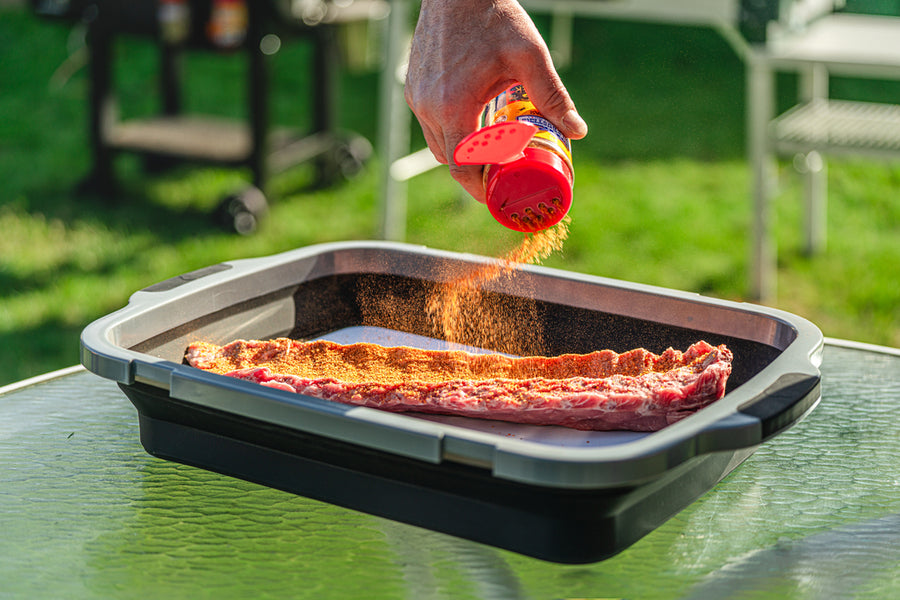
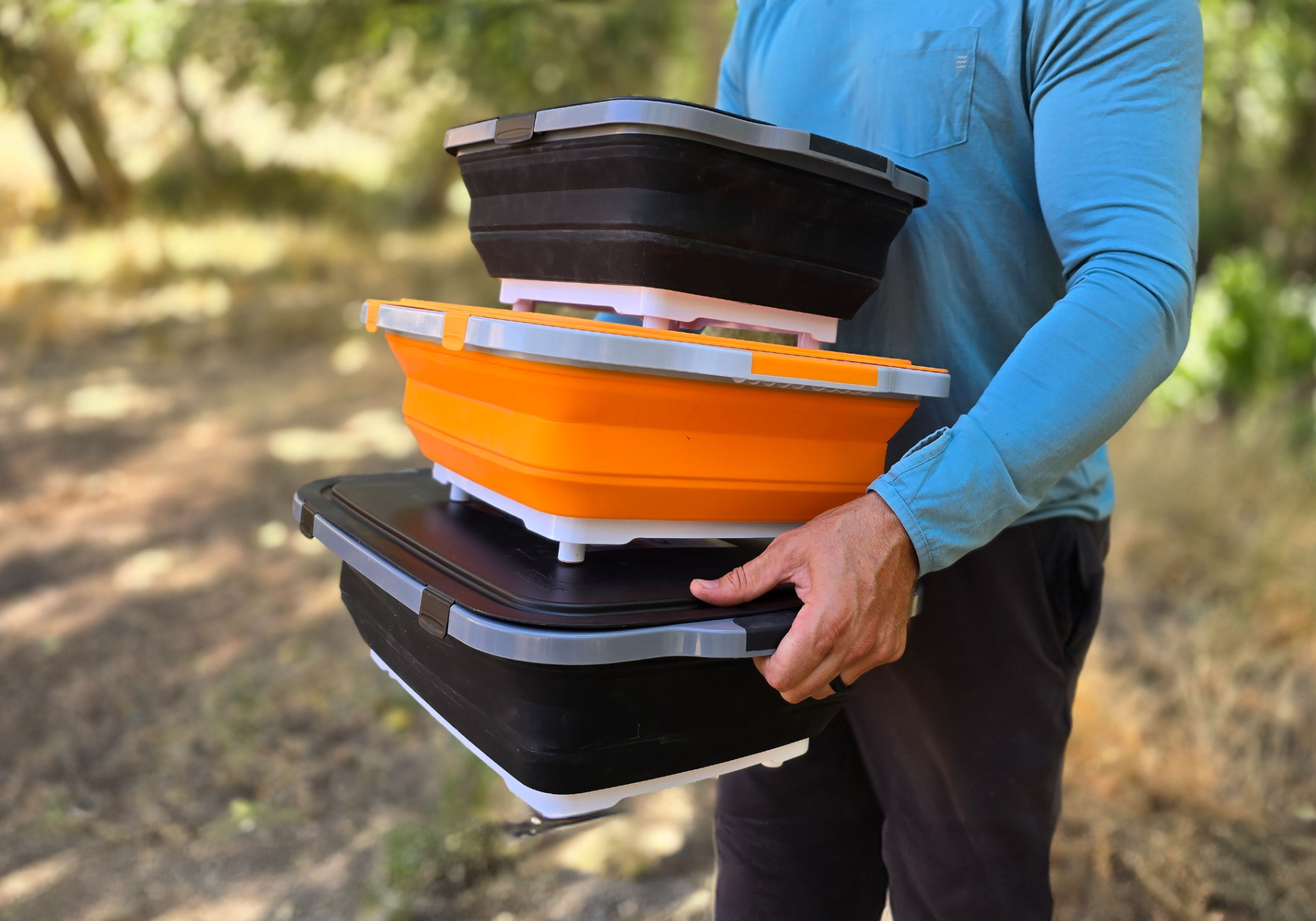
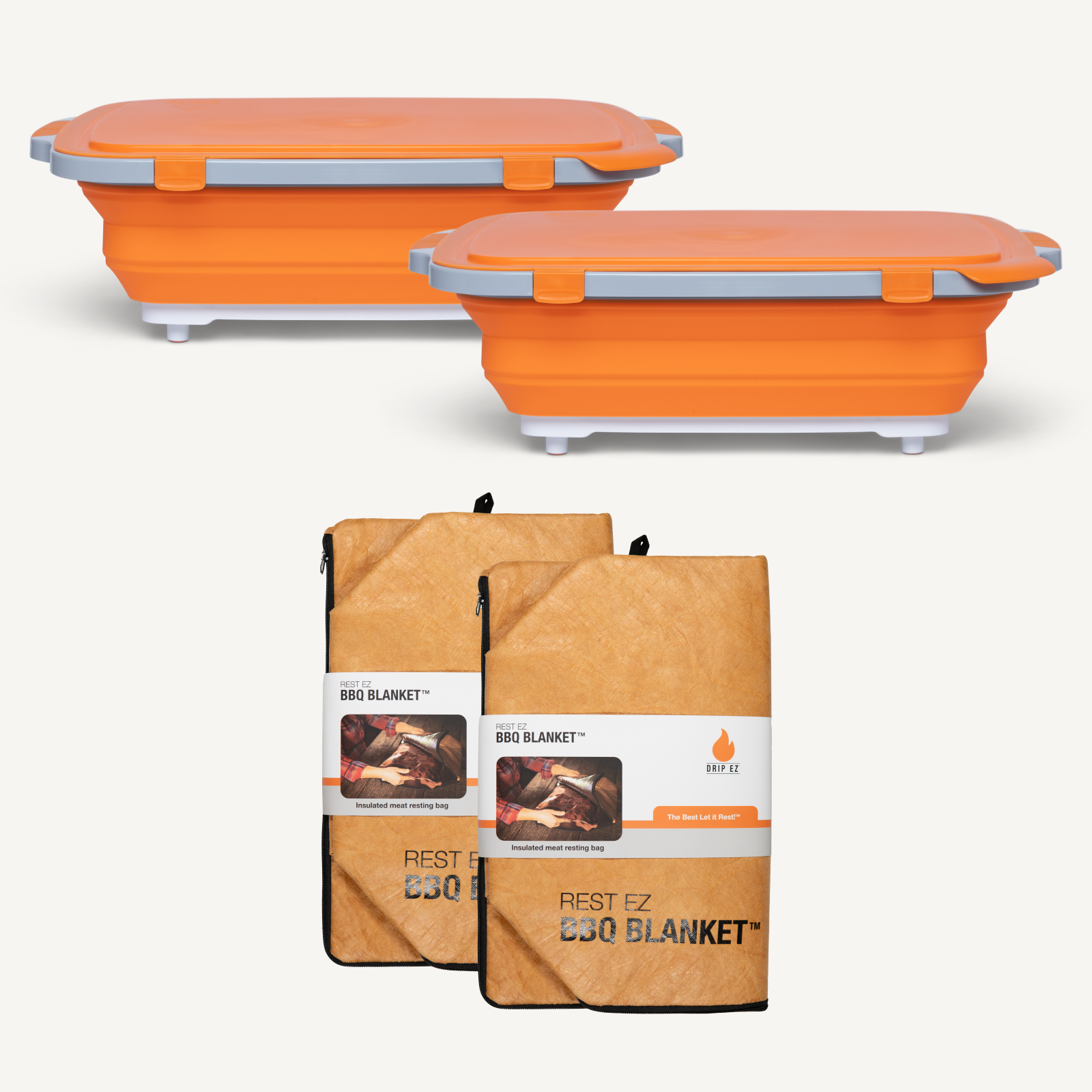
We started by trimming and prepping two identical tri-tips within Prep Tubs.
Both were cooked using the reverse sear method:
- Low and slow until nearing target temperature
- Finished hot and fast for a proper crust
- Pulled at medium-ish doneness
At this point, everything is equal.
Now comes the deciding factor: the rest.
Tri-Tip #1: Cut Immediately
The first tri-tip was sliced right after coming off the grill.
As soon as the knife hit it, juices began spilling onto the cutting board. It looks dramatic — but that liquid running everywhere? That’s moisture you’re losing before it ever makes it to your plate.
By the time it’s served, most of those juices are gone.
Tri-Tip #2: Rested 20–30 Minutes
The second tri-tip was placed inside a Rest EZ® BBQ Blanket and allowed to rest for 20–30 minutes.
Instead of rapidly cooling or sitting loosely under foil, the blanket keeps the meat warm while it slowly comes down in temperature — allowing juices to redistribute evenly throughout the meat.
When sliced, the difference is obvious:
- Still juicy
- No waterfall of liquid
- Moisture stays inside the tri-tip
There’s a clear winner.
Why Resting Meat Matters
When meat cooks, muscle fibers tighten and push juices toward the center.
If you slice too soon:
- The fibers are still tight
- The juices haven’t redistributed
- Liquid pours out
When you rest meat properly:
- Fibers relax
- Juices redistribute throughout
- Moisture stays inside the meat
Resting doesn’t make meat dry — skipping the rest does.
How to Properly Rest Tri-Tip
After cooking to your desired doneness:
- Remove from grill
- Place inside a Rest EZ® BBQ Blanket
- Let rest 20–30 minutes
The goal is to keep the meat warm while allowing temperature to gradually decrease. This slow cool-down is what helps retain moisture.
Simply tenting with foil can work, but it doesn’t retain heat nearly as effectively.
Reverse Sear Tri-Tip (Quick Overview)
If you’re new to reverse searing:
- Cook tri-tip low and slow (225–250°F) until about 10–15° below target
- Sear over high heat to finish
- Pull at medium rare to medium
- Rest properly before slicing against the grain
The Verdict
Two identical tri-tips.
One cut immediately = juice all over the board.
One rested properly = juice stays in the meat.
Which one are you choosing?
Perfect For:
- Tri-tip
- Brisket
- Ribeye
- Pork shoulder
- Any large protein
If you’re putting time into trimming, seasoning, and cooking your meat properly, don’t ruin it by skipping the final step.
Rest it. Let it work. Then slice.