
You can almost hear it: the sizzle; the hiss; the scrape of the burger coming off the griddle. The accompanying sound of french fries frying and a server yelling your name from behind the counter.
For some reason, smash burgers live in our minds as “diner foods” we could never possibly replicate at home, which is a tragedy, because once you have the technique down, smash burgers are so. easy.
So, repeat after us: “I can make smash burgers from home!”
What do you need to make smash burgers?
Delightfully little, is the answer! It’s less about the ingredients than the technique. You need 80/20 ground beef, American cheese, soft buns, parchment squares, and salt and pepper. On the tool side, a press, a wide spatula and a burger dome will carry you through every step.
Ingredients
- 80/20 ground beef. The fat is doing the hard work here. It renders out onto the griddle and essentially fries the edges of the patty, which is where that lacy, crispy border comes from. You can get away with 85/15, but any leaner than that and you’ll taste it, no matter how good your technique is.
- American cheese. This is not the moment for fancy cheese, and we say that with love. American melts in a way aged cheddar simply will not. Save the gruyère for a thicker burger that can wait around for it.
- Soft potato or brioche buns. A hearty artisan roll will overpower a thin patty and turn it into a jaw workout. You want a bun that’s nice and soft.
- Parchment squares. Cut them a little larger than your press. This is the cheapest trick in the entire recipe, and we’ll explain why in a minute.
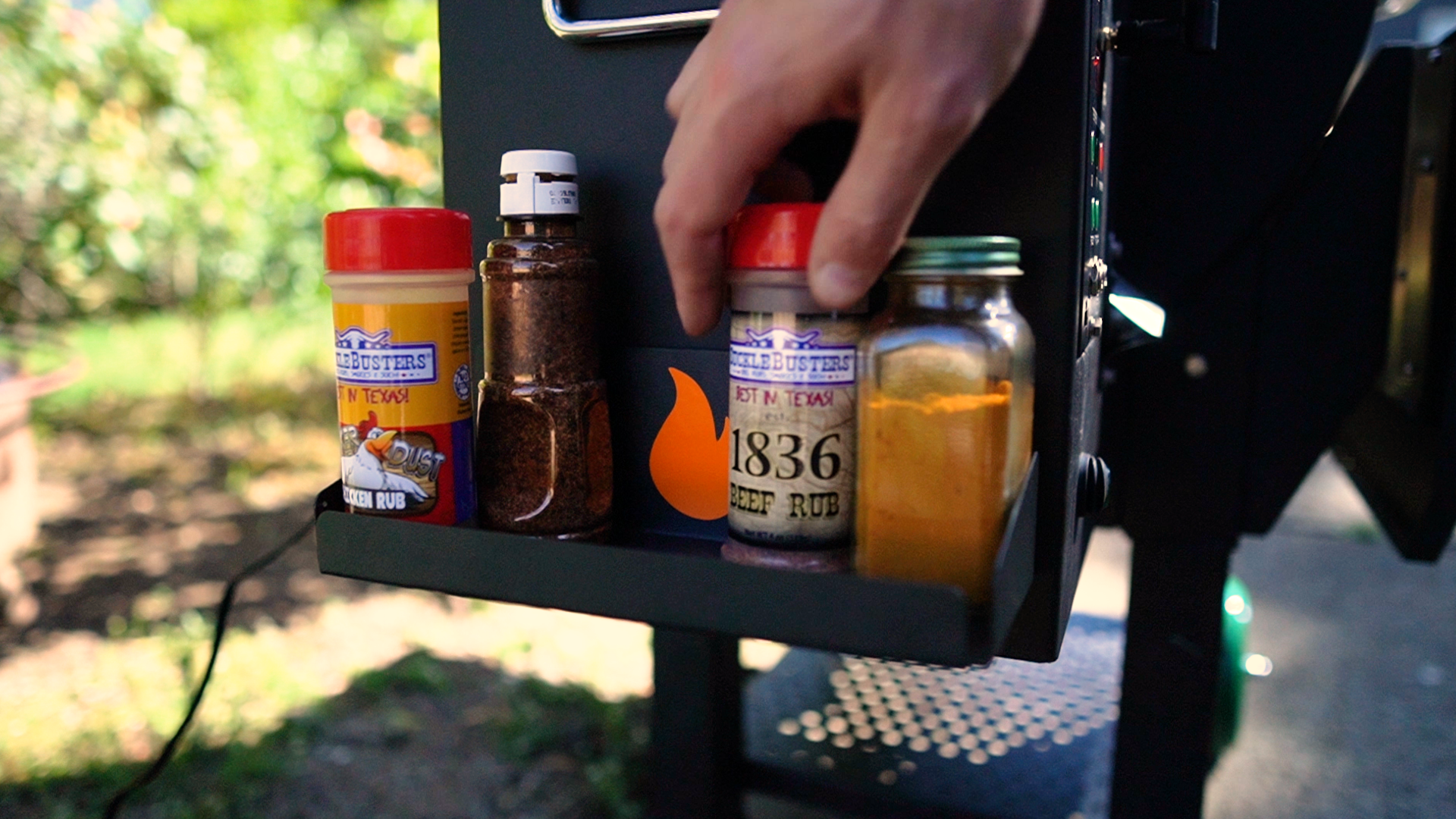
- Salt and pepper. Or a rub, if you want more going on. DB’s Original Rub works beautifully here. Either way, it goes on after the smash, never before!

Tools
Three simple tools make it dramatically easier: a press, a large square tip spatula, and a griddle dome. All three work with Blackstone, Camp Chef, Weber, Traeger and Pit Boss flat tops, plus grill griddle plates and cast iron.
- A smash burger press gives you an even patty with the right crispy, greasy consistency. The EZ Burger Press is 6 inches of 304 stainless formed from one continuous piece of steel with a single seamless bend. (It also works great on smashed potatoes and bacon).
- A large square-tip spatula gets under the crust. The beveled edge on an 8.25 by 4 inch blade slides beneath the patty rather than shoving it along.
- A griddle dome turns cheese-melting from a waiting game into a 20-second job. Ours is square, 10.25 inches across and 3.5 inches tall, so it covers the corners of a smashed patty instead of just the middle. (Because corners deserve cheese too.)
All three come together in the Smash Burger Kit!
What makes a smash burger different from a regular burger?
A smash burger is pressed thin the moment it hits the heat, trading thickness for crust. All that surface contact gets you that lacy, deeply browned, crispy edges instead of a thick juicy middle.
A regular burger is all about the interior. You’re protecting a juicy center, which is why you don’t press it, why you don’t overwork it, and why you cook it at a moderate temperature for longer.
How hot should the griddle be for smash burgers?
Aim for a surface temperature between 400 and 450°F, with about 425°F as the sweet spot. That range is hot enough to build crust within the first 60 seconds but not so hot that the thin edges scorch before the center cooks through. Heat is the single biggest variable in this entire recipe.
|
Griddle surface temp |
What you get |
|
Under 375°F |
The patty steams instead of searing. No crust, and it sticks. |
|
400 to 425°F |
Good crust and fairly forgiving. A fine place to start. |
|
425 to 450°F |
The sweet spot. Fast crust, lacy edges, proper sizzle. |
|
Over 475°F |
Edges scorch before the middle is done. |
Please note: griddle surface temperature and the knob setting are two very different things, and the gap between them can be enormous. An infrared thermometer pointed at the cooking surface takes all the guesswork out. If you don’t have one, flick a few drops of water onto the steel. They should skitter and vanish almost immediately rather than sitting there bubbling.
Give the griddle a full 10 to 15 minutes to come up to temperature and even out. The most common reason a first batch disappoints is that it went down on a griddle that was still warming up.
And give it room. Crowding the surface drops your temperature, and four burgers on a cold spot will steam rather than sear. Cook in batches if you need to.

How do you make smash burgers step by step?
Portion loose balls of 80/20 beef, get the griddle to 425°F, and smash each one flat within the first few seconds using parchment so nothing sticks. Season, cook undisturbed for about 90 seconds, scrape underneath, flip, add cheese, then dome with a splash of water. Toast the buns and serve.
- Portion loose balls. Two to three ounces each, rolled gently in your palms. Don’t make these overly tight, otherwise the patties will become dense and rubbery.
- Get the griddle right. 425°F, properly preheated, and lightly oiled with something neutral and high-smoke-point.
- Lay the balls down with space between them. They’ll roughly double in width when you smash them, so give each one more room than feels necessary.
- Smash once, immediately, and hold. This is the ten-second window. Lay a square of parchment over the ball, set the press on top, and push straight down for a full 10 seconds. The parchment is what makes this painless: beef grabs hot steel, and without it your patty comes up with the press instead of staying where you put it. Peel the parchment off and toss it.
- Season now. Salt and pepper (or rub) go on after the smash, never before. Salt mixed into raw beef ahead of time starts drawing out moisture and tightening the proteins, which works directly against everything else you’re doing.
- Don’t touch it. Roughly 90 seconds to 2 minutes. You’re waiting for the edges to go dark and crisp and slightly lacy, and for most of the top surface to lose its pink. Resist every urge to peek underneath.
- Scrape, don’t lift. Here is where the square tip spatula earns its keep. Get the beveled edge flat against the griddle and drive it underneath so the entire crust comes up with the patty.
- Flip, then cheese immediately. The second side needs only 30 to 60 seconds. Lay the cheese on the instant the patty lands so the residual heat gets to work.
- Splash and dome. Add a tablespoon of water to the griddle next to the patty, then dome it. The water flashes to steam and melts the cheese in about 20 seconds without overcooking the beef underneath.
- Toast the buns. Butter the cut sides and lay them face down on the griddle for about 30 seconds while the burgers finish.
|
Stage |
How long |
|
Smash and hold |
About 10 seconds |
|
First side, undisturbed |
90 seconds to 2 minutes |
|
After the flip |
30 to 60 seconds |
|
Cheese under the dome |
20 to 30 seconds |
|
Buns, face down |
About 30 seconds |
Pro tip: work with two spatulas once you’re comfortable. One holds or steadies while the other scrapes, and you’ll move through a batch noticeably faster. That’s how line cooks do it!
What are the most common smash burger mistakes?
- Smashing twice. The first press shapes the patty. Every press after that is just squeezing rendered fat and juice onto the griddle, and what’s left is dry and tough with a strange flat texture. One smash, then hold it. That’s enough!
- A griddle that isn’t hot enough. Below roughly 375°F you’re steaming meat rather than searing it. If your burgers keep sticking, this is almost always why.
- Overworking the meat. Rolling tight, compact, perfectly round balls is the most common prep mistake.
- Smashing too late. You have roughly 5 to 30 seconds from the moment beef touches steel. Past that, the bottom has set and the patty simply won’t spread evenly, so you end up with a thick middle and thin ragged edges.
- Overcooking the second side. After the flip, you need 30 to 60 seconds, not three minutes. Otherwise, you’ll dry out your burgers that were going perfectly well until that point.
And remember: a thin patty at that heat sails past the USDA’s 160°F minimum for ground beef all on its own, typically well before the crust is where you want it.
Serve it up
Once you can produce a single good patty, everything else is arrangement.
The double. Arguably the correct way to serve these. Two thin patties, cheese between them, cheese on top. This is what people picture when they picture a smash burger, and it’s the clearest demonstration of the crust math from earlier: four browned faces in one bun.
Sliders. Take your portions down to about an ounce and a half and use dinner rolls. They cook so fast you can almost keep pace with people eating them. (Almost.) These are the move for a party, a tailgate, or any situation where you want to be a hero without standing at the griddle for an hour.
Smash burger tacos. Smash the beef directly onto a flour tortilla, press the two together into one piece, and cook it tortilla-side up before flipping.
Classic diner style. Press thinly sliced onions into the patty during the smash so they caramelize into the crust. Then add pickles and mustard.
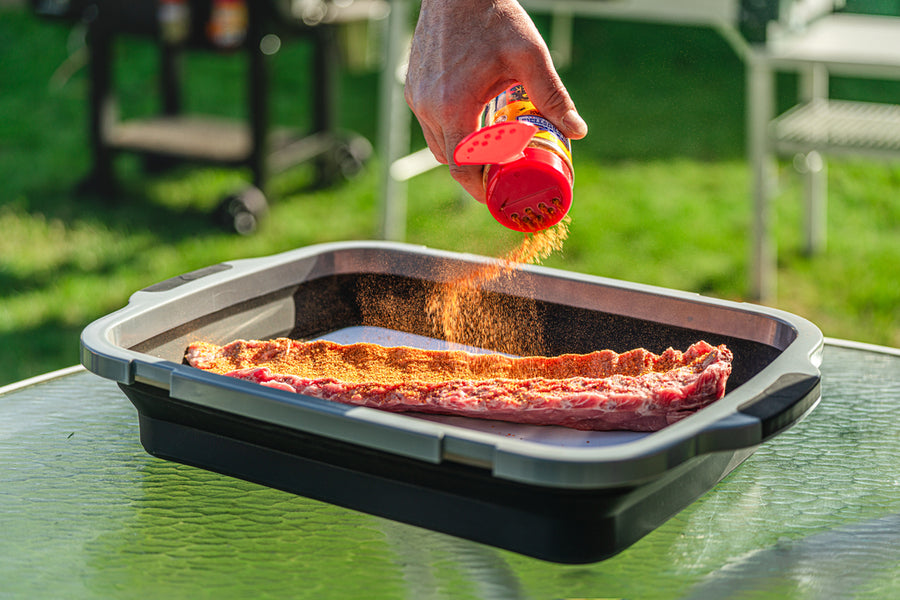
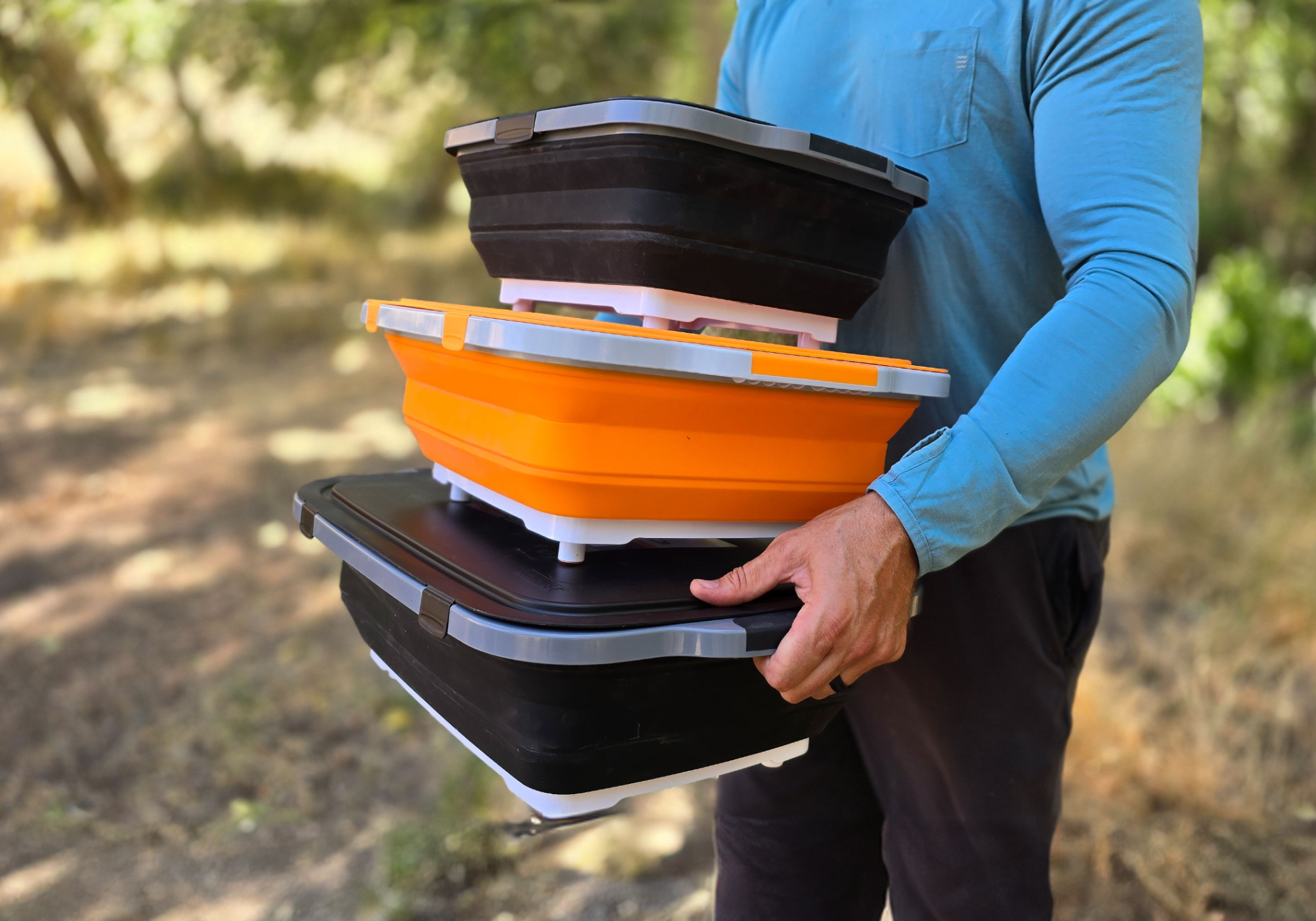
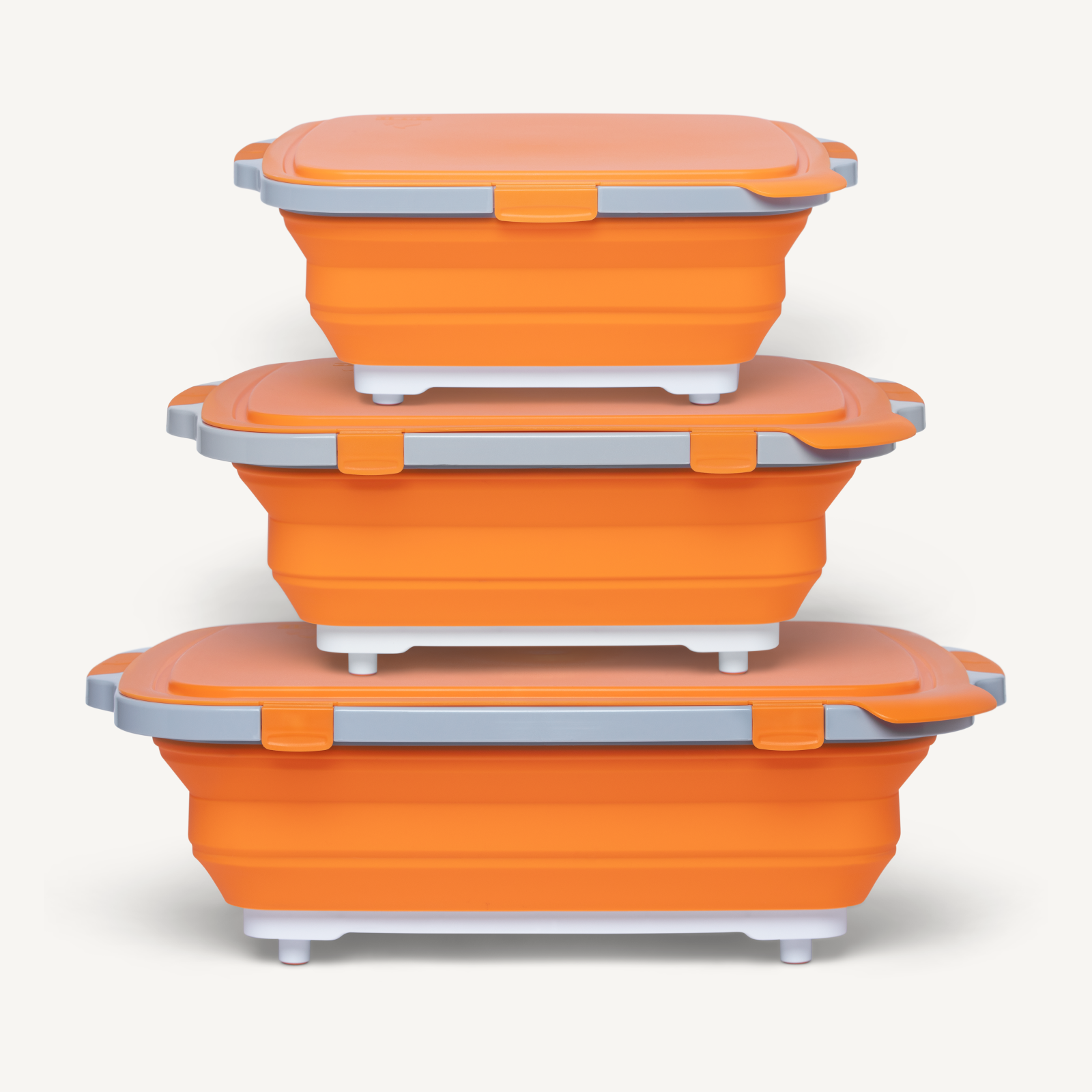
A few things that make the whole operation smoother: portion your beef balls into a Prep Tub ahead of time, snap the lid on, and carry everything out in one trip instead of five. (Here’s how to pick a size.) And if you somehow end up with leftover patties, a Secondz container keeps them for a day or two, though we admit this is largely theoretical.

Smash Burger FAQ
Do I need a burger press to make smash burgers?
No, but it makes them better and considerably easier. A sturdy spatula works if you press hard. A dedicated press or burger smasher applies even pressure across the whole patty in one motion, producing a uniform crust instead of a thick middle with thin, scorched edges.
Why use parchment paper when smashing burgers?
Because beef sticks to hot steel. A square of parchment between the press and the patty means the burger stays on the griddle instead of lifting away with the tool. Peel it off right after the smash and throw it out. It saves you a mangled patty every single time.
What beef ratio is best for smash burgers?
80/20. The fat renders out onto the griddle and fries the edges of the patty, which is exactly where the lacy crust comes from. 85/15 works fine, too, but anything leaner produces a noticeably dry burger no matter how well you cook it, because there’s nothing left to fry.
How long do smash burgers take to cook?
About two to three minutes total. Roughly 90 seconds to 2 minutes on the first side until the edges are dark and crisp, then 30 to 60 seconds after the flip. Overcooking that second side is the most common way people dry these out.
What temperature should a Blackstone griddle be for smash burgers?
The same as any flat top: 400 to 450°F at the cooking surface, with about 425°F as the target. Blackstone smash burgers are popular for a reason, which is that a large flat top holds steady heat across a wide surface, so you can run a full batch without the temperature crashing between patties.
Can I make smash burgers on a grill instead of a griddle?
You need a flat surface, so bare grates won’t work. A cast iron skillet or a griddle plate set over the grates will do the job. Our griddle tools work across flat tops, griddle plates and cast iron alike.
Why won’t my burger come off the griddle?
Usually one of two things. Either the griddle wasn’t hot enough, so the patty steamed and bonded rather than searing, or you’re lifting when you should be scraping. Get a beveled edge flat on the surface and drive it underneath.
Are smash burger tools dishwasher safe?
Yes. Our whole line of tools is restaurant-grade stainless, it’s dishwasher safe, and it’s gentle on griddle seasoning.
In summary
Get your griddle to 425°F, use 80/20 beef, roll the balls loose, and smash once within the first few seconds with a square of parchment so nothing sticks. Season after the smash. Leave it alone for about 90 seconds, then scrape underneath rather than lifting, so the crust comes up with the patty instead of staying on the steel. Put the cheese on immediately after the flip, add a splash of water, and then put the dome on for twenty seconds.
That’s it! It takes about two minutes per burger once the griddle is hot, and before you know it, you’ll have your own at-home diner-style burger.
So go on. Repeat it one more time: you can make smash burgers from home.
Press. Scrape. Melt.