
Thanksgiving isn’t won at the table. It’s won on the Saturday before, when you realize the turkey needs to come out of the freezer. It’s won on Wednesday night, when the brine is already in the fridge and the mac and cheese is already assembled. And it’s won at 3 p.m. on Thursday, when the turkey is resting, the sides are on the smoker, and you have a drink in your hand instead of a panic in your chest.
Nobody wins Thanksgiving by cooking harder on Thursday. They win it by doing a little bit, a few days in a row. So we built the checklist we wish someone had handed us the first time we hosted: what to do a week out, the days before, and hour by hour on the big day, with the turkey guidance we’ve covered all season pulled together in one place.
Print it, screenshot it, tape it to the fridge. Let’s go win Thanksgiving.
How far ahead should you start preparing for Thanksgiving?
Start about a week out. The turkey is the reason: a frozen bird thaws in the refrigerator at roughly 24 hours for every 4 to 5 pounds, so a 16-pound turkey needs about four days before it’s even ready to brine. Buy it, plan your menu, and check your gear in the week before, and Thursday becomes a lot more relaxed.
How much turkey do you need per person?
The USDA recommends about 1 pound of whole turkey per person. That sounds like a lot, but a whole bird is mostly bone, so 1 pound raw lands you a generous plate. If you want leftovers (and you want leftovers), plan on 1½ pounds per person.
|
Guests |
Turkey size (dinner only) |
Turkey size (with leftovers) |
|---|---|---|
|
4–6 |
6–8 lbs (or a bone-in breast) |
8–10 lbs |
|
8–10 |
10–12 lbs |
14–16 lbs |
|
12–14 |
14–16 lbs |
18–20 lbs |
|
16–20 |
18–20 lbs, or two smaller birds |
Two 12–14 lb birds |
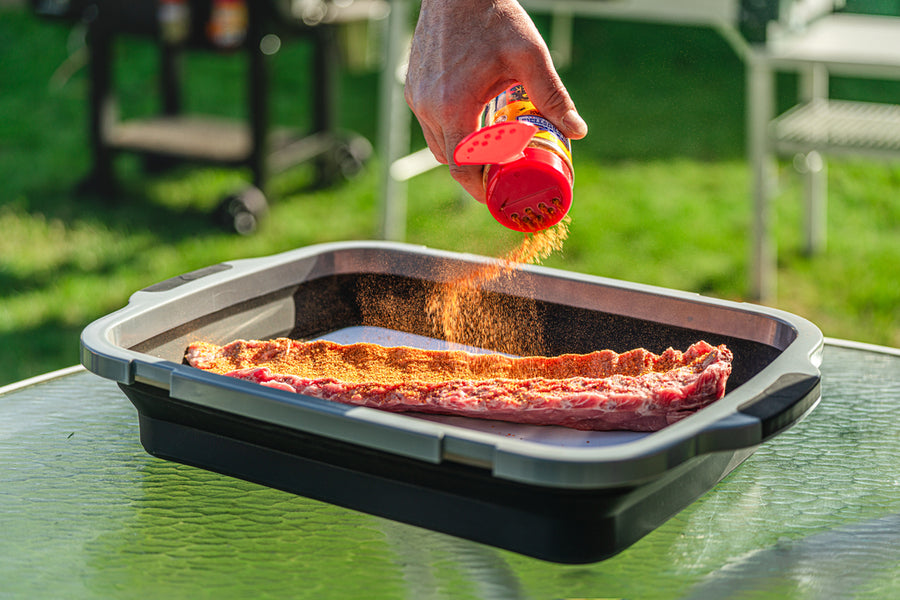
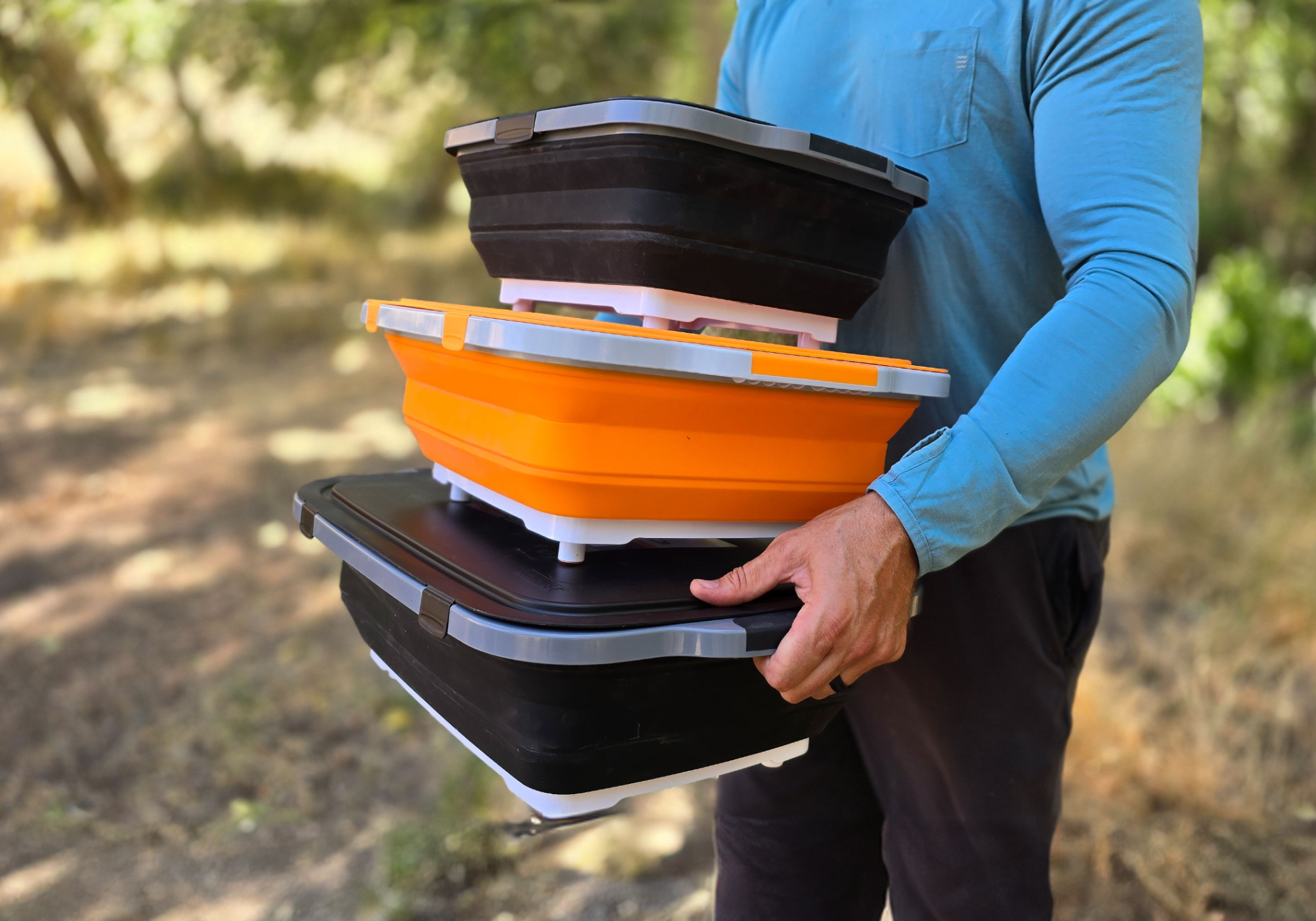
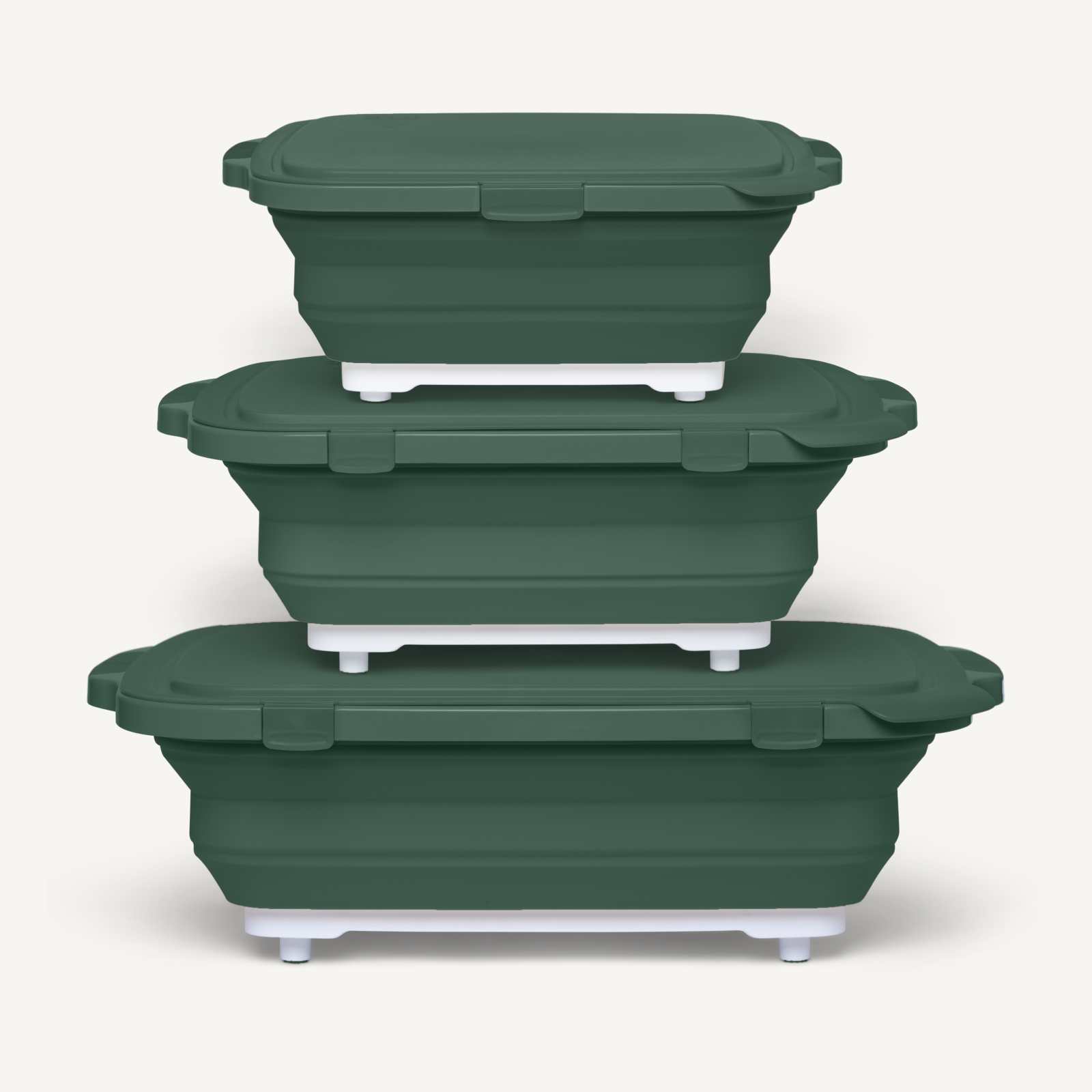
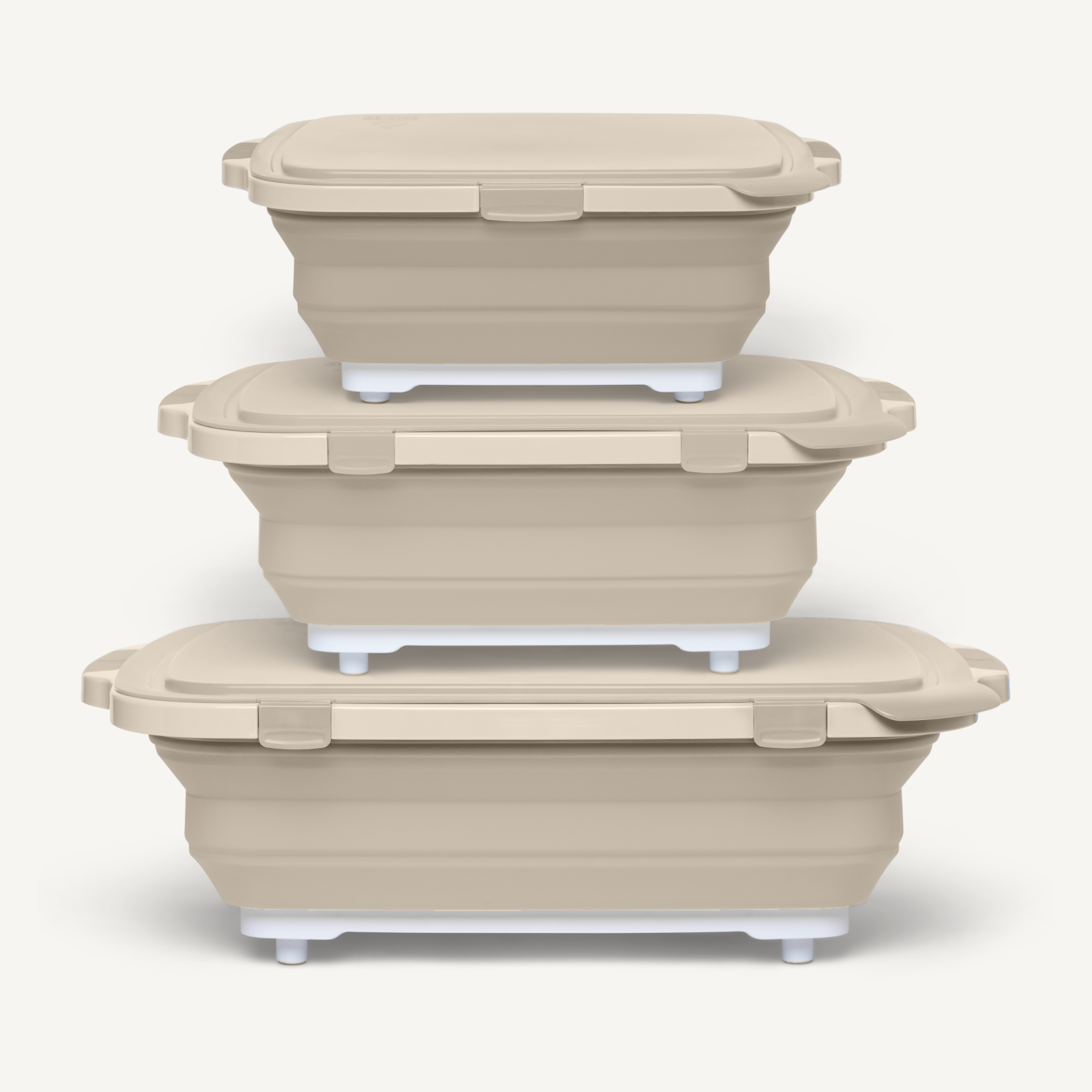
Pro tip: If you’re feeding a big crowd, two 12-pound turkeys beat one 24-pounder. Smaller birds cook faster and more evenly, they fit on the smoker more easily, and they each fit in an XL Prep Tub for brining.
How long does it take to thaw a turkey?
In the refrigerator, plan on about one day for every 4 to 5 pounds. Fridge thawing is the safest method, and a thawed turkey can stay in the fridge another 1 to 2 days, so starting early is never a problem. Thaw it in its original wrapper, set in a pan or a Prep Tub to catch any juices.
|
Turkey size |
In the fridge |
In cold water (backup plan) |
|---|---|---|
|
4–12 lbs |
1–3 days |
2–6 hours |
|
12–16 lbs |
3–4 days |
6–8 hours |
|
16–20 lbs |
4–5 days |
8–10 hours |
|
20–24 lbs |
5–6 days |
10–12 hours |
Thawing times are from the USDA. Cold water thawing means keeping the bird in a leak-proof bag, fully submerged, and changing the water every 30 minutes. A turkey thawed this way should be cooked right away, so it’s a rescue plan, not a strategy. Never thaw a turkey on the counter.
Your Thanksgiving checklist, day by day
Here’s the countdown. It assumes a smoked turkey and a few of our smoker Thanksgiving sides, but it works just as well if you’re roasting in the oven.
One week before
- Lock in the guest count and menu. Decide what you’re making and what other people are bringing. Assign sides, drinks, and dessert by name. “Bring whatever” is how you end up with four pies and no rolls.
- Buy the turkey. Use the chart above for size. If it’s labeled kosher, self-basting, enhanced, or “contains up to X% solution,” it has already been brined, so skip the brine step later.
- Check your gear. Fresh batteries in the thermometer, enough fuel or pellets for a long cook plus sides, mild wood like apple or cherry, foil pans, foil, paper towels, and butcher paper.
- Make the grocery list. Split it into a “now” list (shelf-stable stuff, frozen items, butter, stock) and a “Monday or Tuesday” list (fresh herbs, produce, dairy).
4 to 6 days before
- Start thawing the turkey. Move it to the fridge based on the thawing chart. For a 16-pound bird, that’s the Saturday or Sunday before Thanksgiving. Set it in a pan or an XL Prep Tub so nothing drips on the shelf below.
- Clear fridge space. Seriously. The turkey, the brine, and four assembled casseroles all need somewhere to live on Wednesday night. Eat the leftovers and toss the mystery jars now.
2 to 3 days before
- Start a dry brine, if you’re dry brining. A dry brine needs 24 to 72 hours, so a longer brine starts Monday or Tuesday. About ½ teaspoon of kosher salt per pound, refrigerated uncovered. (Our wet vs. dry brine guide covers both methods in detail.)
- Make anything that keeps. Cranberry sauce holds for up to 5 days. Smoke and mash sweet potatoes, bake cornbread for stuffing, and dry your bread cubes.
- Do the fresh grocery run. Before the stores turn into a contact sport on Wednesday.
The day before (about 24 hours out)
- Start the wet brine. A wet brine needs 12 to 24 hours, so this is the moment. About 1 cup of kosher salt per gallon of water, cooled completely, with the turkey in a brining bag inside an XL Prep Tub. Keep it below 40°F the whole time.
- Spatchcock the bird (optional, but we recommend it). Removing the backbone and flattening the turkey makes it cook faster and more evenly, and it fits in a container for brining. Do it before the brine goes in.
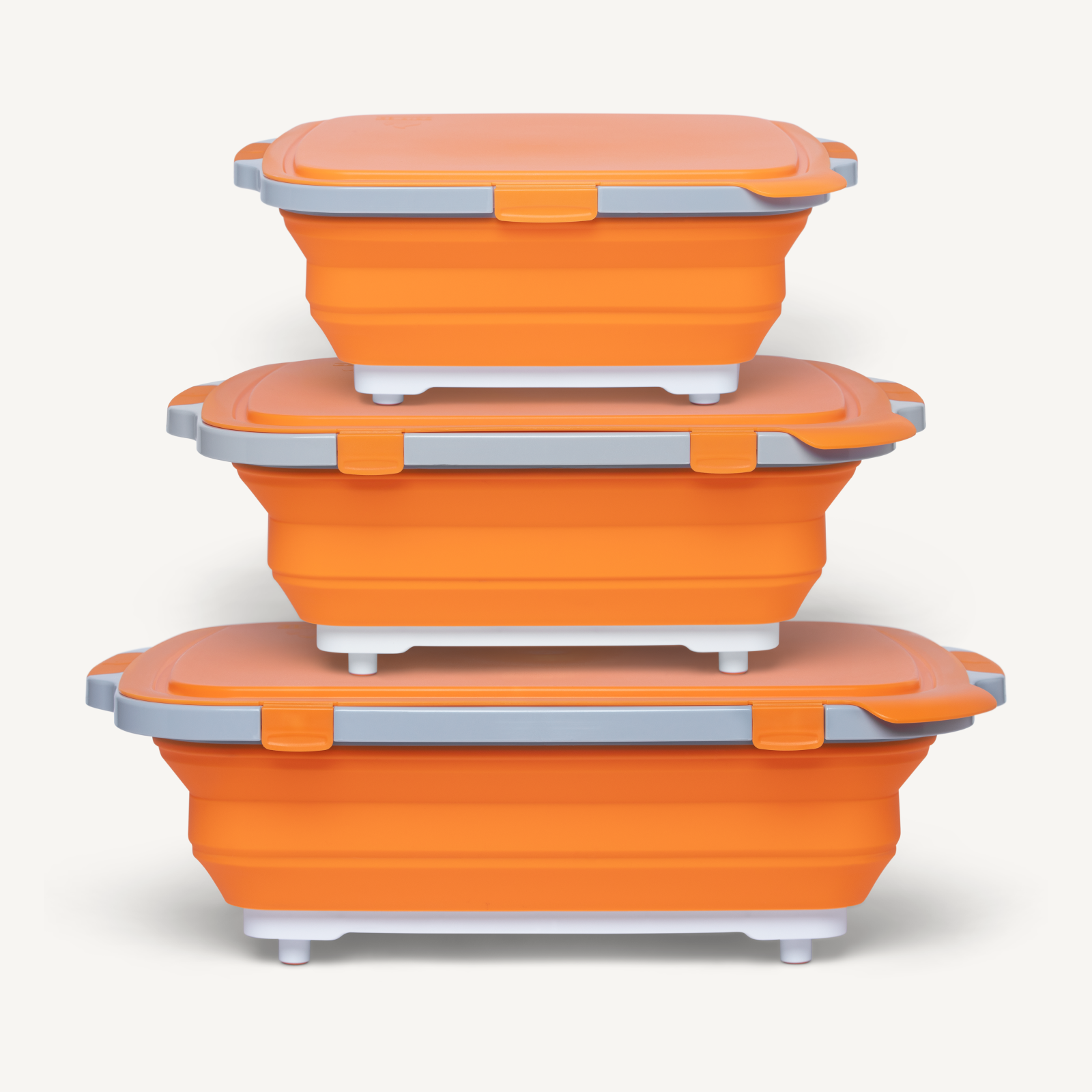
- Assemble the make-ahead sides. Mac and cheese, green bean sauce, trimmed vegetables. Store components in Secondz® Containers so your fridge stays organized.
- Set the table. Plates, serving utensils, platters. Put a sticky note on each serving dish saying what goes in it, so anyone who offers to help can actually help.
- Plan your smoker layout. Know where the turkey goes and where the sides go. Check that the foil pans fit on the grate together.
Thanksgiving Day
This is where most guides hand you a vague “cook the turkey.” Here’s an actual schedule, built backward from dinner. It’s based on a 12- to 14-pound spatchcocked turkey and a 4 p.m. dinner, using the method from our brining guide: start low for smoke, then raise the heat to crisp the skin.
|
Time |
What to do |
|---|---|
|
8:30 a.m. |
Take the turkey out of the brine. Pat it completely dry with paper towels, inside and out. Don’t rinse it (more on that below). If you dry brined, it’s already ready. |
|
9:00 a.m. |
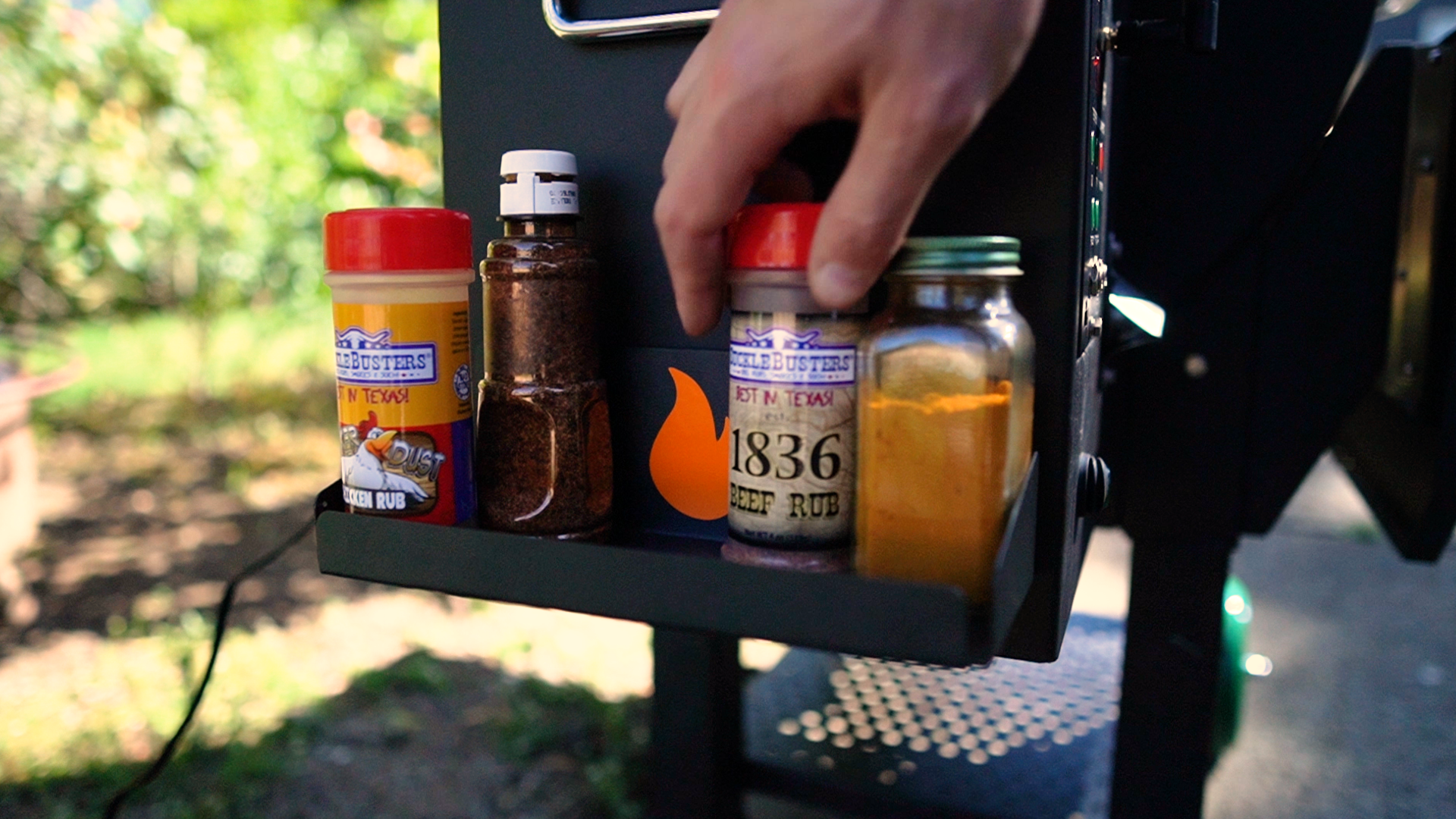
Fire up the smoker to 225°F. Spray the turkey lightly with oil and season with a light-handed rub, since the bird is already salted. |
|
9:30 a.m. |
Turkey goes on. Insert probes in the thickest part of the breast and thigh. |
|
11:30 a.m. |
Raise the heat to 325°F to 350°F to crisp the skin. Longer-cooking sides like stuffing can go on now if you have room. |
|
1:00–2:00 p.m. |
Start checking. Pull the turkey when the thickest part of the breast reads 165°F. |
|
Turkey comes off |
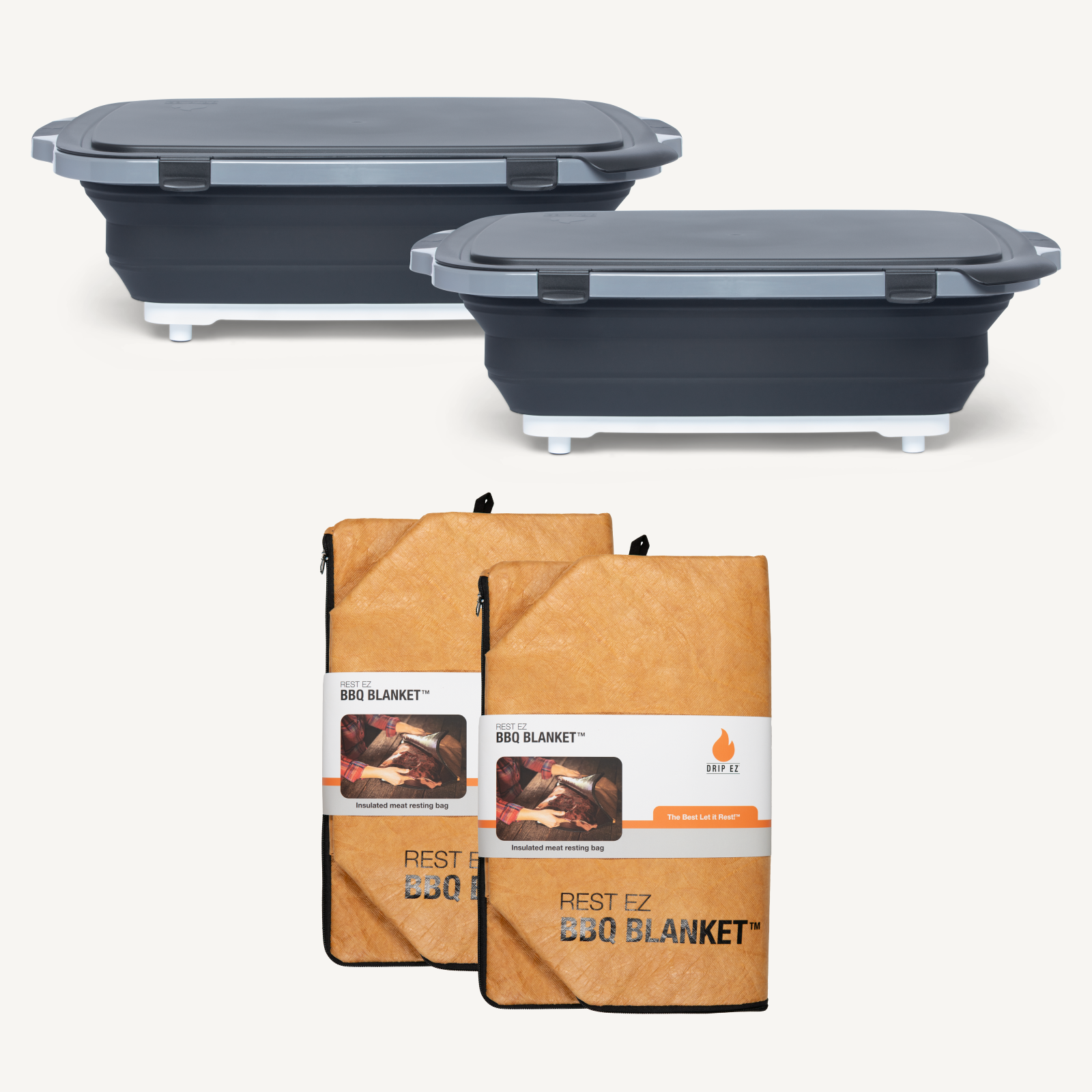
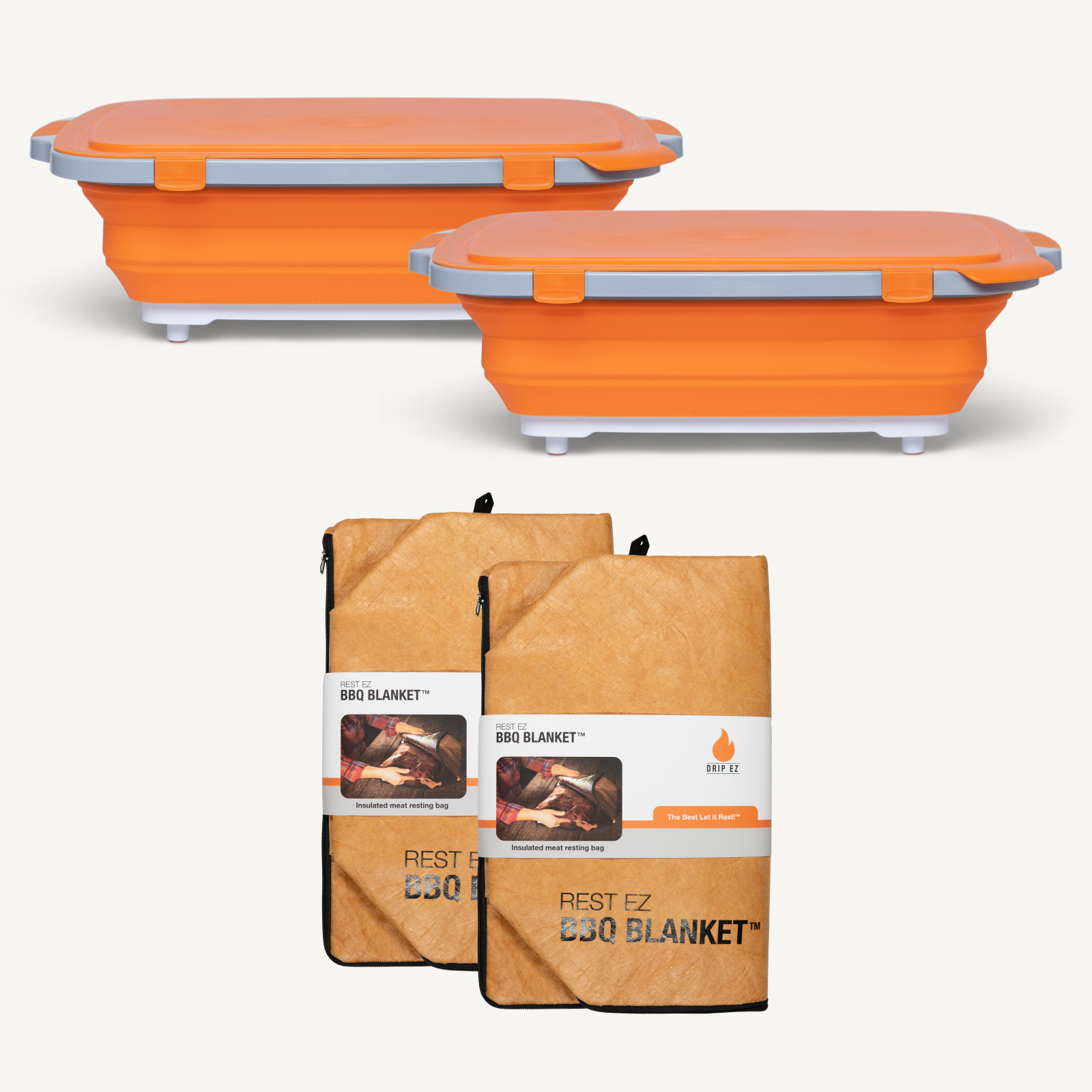
Wrap it and get it into a Rest EZ® BBQ Blanket. It rests 30 to 45 minutes and holds heat well beyond that. |
|
While it rests |
Smoker stays at 350°F for the sides: mac and cheese, green beans, sweet potatoes. Brussels sprouts or anything that needs high heat goes last. |
|
3:30 p.m. |
Carve on the cutting board built into your Prep Tub, so the juices stay in the tub instead of running across the counter. |
|
4:00 p.m. |
Dinner. Sit down. You earned it. |
Build in a buffer. Every smoker, every turkey, and every Thanksgiving runs differently. A whole (not spatchcocked) bird can take 1 to 2 hours longer, and weather matters if you’re cooking outside. Start earlier than you think you need to. A turkey that finishes an hour early just rests longer in the blanket. A turkey that finishes an hour late means everyone eats pie first.
After dinner
- Get leftovers into the fridge within 2 hours. Don’t let the turkey sit on the table all evening. Carve the rest off the bone; it cools faster and stores easier.
- Pack it up. Turkey, stuffing, and sides go into Secondz® Containers, then into the fridge. Eat them within 3 to 4 days, or freeze them for later.
- Reheat to 165°F. Add a splash of stock to turkey before reheating so it doesn’t dry out.
- Hand out the leftovers. Send guests home with containers so your fridge doesn’t become a turkey storage unit for the next week.

Should you rinse a turkey before cooking it?
No. Rinsing raw turkey in the sink splashes bacteria around your kitchen and onto anything nearby, and it doesn’t make the bird any cleaner or remove meaningful salt after brining. Pat it dry with paper towels instead, inside and out. A dry surface is also what gives you crispy skin, so you get a better turkey and a safer kitchen.
How do you know when the turkey is done?
Use a thermometer, not the clock and not the pop-up timer. The turkey is safe and done when the thickest part of the breast reads 165°F. Check the thigh, too: dark meat is better at 175°F or higher, and on a spatchcocked bird it usually gets there on its own. Then rest it for 30 to 45 minutes before you carve.
The Thanksgiving mistakes that cost the most
- Not thawing in time. The most common Thanksgiving disaster, and the only one you can see coming a week away. Check the chart and set a calendar reminder.
- Brining an already-brined turkey. Enhanced, kosher, and self-basting turkeys are pre-salted. Brine one again and it’s too salty to serve.
- Using table salt in a kosher salt recipe. Table salt is much denser, so the same volume is far saltier. If that’s all you have, cut the amount roughly in half.
- Carving right off the smoker. All those juices end up on the cutting board instead of in the meat. Rest it.
- Trying to do everything Thursday. Most sides can be prepped or fully made ahead. Every task you move to Tuesday or Wednesday is a task you’re not juggling while the turkey’s on.
- Leaving food out all afternoon. Cooked food shouldn’t spend more than 2 hours between 40°F and 140°F. Our tailgate checklist explains the danger zone, and it applies at the holiday table, too.
What to do when Thanksgiving goes sideways
Something will go off script. It always does. Here’s how to recover.
It’s Wednesday night and the turkey is still frozen.
Switch to cold water thawing: keep it in a leak-proof bag, submerge it, and change the water every 30 minutes. Plan on about 30 minutes per pound, and cook it as soon as it’s thawed. Worst case, a turkey can safely be cooked from frozen; it just takes at least 50% longer, and you won’t be able to brine it.
The turkey is done way too early.
Good news: that’s the best problem to have. Wrap it, put it in a Rest EZ® BBQ Blanket, and let it hold. Keep a probe in it and serve before it drops toward 140°F.
The turkey is running way behind.
Raise the smoker to 350°F. If it’s still crawling, carve off the breasts once they hit 165°F and let the legs keep going. Serve the appetizers and keep the drinks coming. Nobody remembers a late turkey; they remember a good one.
You ran out of room on the smoker.
Use the oven for the sides that don’t need smoke, like rolls and green bean casserole, and keep the smoker for the turkey and the dishes that benefit most from it.
The real secret to winning Thanksgiving
Here’s the part that doesn’t fit on a checklist: the best Thanksgiving isn’t the one with the most perfect turkey. It’s the one where the host actually got to sit down. Where someone else carved because you showed them how. Where the kids helped mash the potatoes and made a mess of the counter, and it was fine.
All the planning above exists for one reason: so you get to enjoy the day you worked so hard on. Delegate the sides. Accept help when it’s offered. And when the turkey comes off the smoker juicy and golden and everyone at the table goes quiet for a second, take it in. That’s the win.
Thanksgiving Checklist FAQ
When should I start thawing my turkey?
Count back about one day for every 4 to 5 pounds. A 12-pound turkey needs about 3 days in the fridge, a 16-pound turkey about 4, and a 20-pound turkey about 5. A thawed turkey keeps another 1 to 2 days in the fridge.
When should I start brining my turkey for Thanksgiving?
For a wet brine, about 24 hours before you cook, since it needs 12 to 24 hours. For a dry brine, 1 to 3 days before, since it needs 24 to 72 hours. Never brine a turkey labeled kosher, enhanced, or self-basting.
What time should I put the turkey on?
Count backward from dinner. Add the cook time for your bird’s size and method, a 30 to 45 minute rest, and at least an hour of buffer. For a 12- to 14-pound spatchcocked turkey and a 4 p.m. dinner, that means on the smoker by about 9:30 a.m.
How much turkey do I need per person?
About 1 pound of whole turkey per person, or 1½ pounds if you want leftovers.
What can I make ahead for Thanksgiving?
Cranberry sauce up to 5 days ahead. Mashed sweet potatoes, cornbread, and dried bread cubes 2 days ahead. Most casseroles can be assembled the day before and refrigerated.
How long do Thanksgiving leftovers last?
Refrigerate them within 2 hours of serving and eat them within 3 to 4 days. For longer storage, freeze them. Reheat leftovers to 165°F.
In Summary: How to Win Thanksgiving
Start a week out. Buy your turkey at about 1 pound per person (1½ for leftovers), and start thawing it in the fridge at roughly one day per 4 to 5 pounds. Check your gear, clear your fridge, and assign the sides to the people who offered to help.
In the days before, start a dry brine 1 to 3 days ahead, or a wet brine about 24 hours ahead, and knock out every side that can be made or assembled early. On Thanksgiving Day, build your schedule backward from dinner: pat the turkey dry (don’t rinse it), smoke it until the breast hits 165°F, rest it for 30 to 45 minutes, and use that rest window to finish your sides. Then get the leftovers into the fridge within 2 hours.
Do the work early, and Thursday is just the victory lap. Tag @bbq_dripez and show us how you won Thanksgiving.