
Every year, there are Thanksgiving tables all over the country where the unspeakable is spoken out loud, and entire families become hostile towards each other the rest of the day:
“The turkey’s a little dry.”
But here’s the good news: this is a fixable problem.
Brining is the highest-return thing you can do to a turkey to keep it from getting too dry. It takes about fifteen minutes of work, and whether to dry or wet brine comes down to what you care about more, which we’ll sort out in a minute.
What is brining a turkey?
Brining is when you salt your meat ahead of time so it holds onto its moisture during cooking.
Because salt partially unwinds the muscle proteins, they hold water more effectively and contract less when they hit heat, so less juice is squeezed out. Salt also diffuses through the meat over time, which seasons it all the way to the center instead of just coating the outside.
So brining isn’t about adding water. It’s about getting the bird to keep the moisture it already has.
Wet brine vs. dry brine: what’s the difference?
A wet brine is when you dissolve salt in water and submerge the meat, so some liquid moves in alongside the salt. A dry brine rubs salt directly on the surface by pulling the meat's own moisture out, and then that concentrated liquid is reabsorbed over the next day or two.
Both work. They just work differently:
|
Wet brine |
Dry brine |
|
|
What you do |
Submerge in salt water |
Rub salt on, refrigerate |
|
Salt ratio |
~1 cup kosher salt per gallon of water |
~½ tsp kosher salt per pound of turkey |
|
How long |
12–24 hours |
24–72 hours |
|
Flavor |
Milder, more diluted |
Deeper, more concentrated turkey flavor |
|
Skin |
Harder to crisp (wet skin) |
Crispier (salt pulls moisture off the surface) |
The short version: go for a wet brine if you want maximum insurance against a dry bird. Dry brine if you want crispier skin and a turkey that tastes more like that classic Thanksgiving turkey.
How to wet brine a turkey
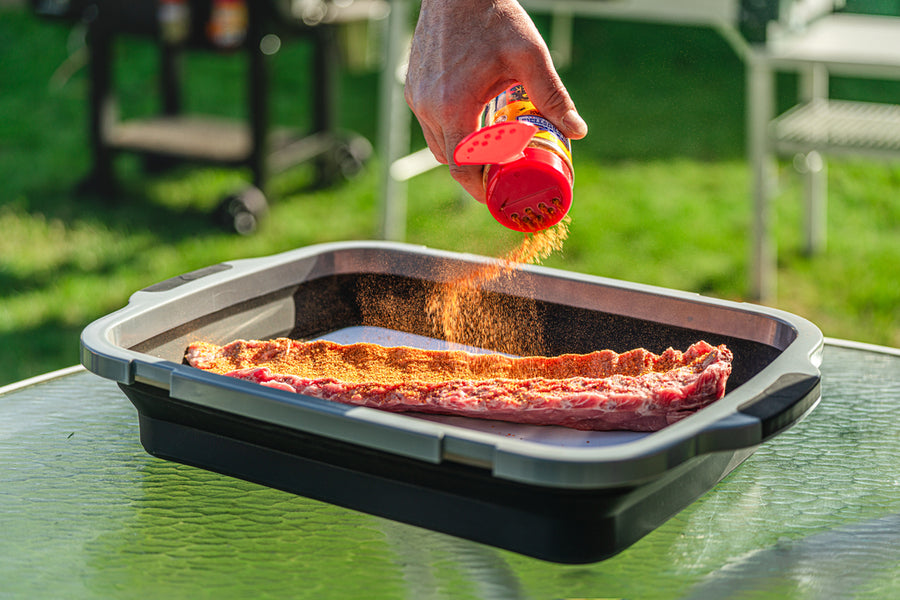
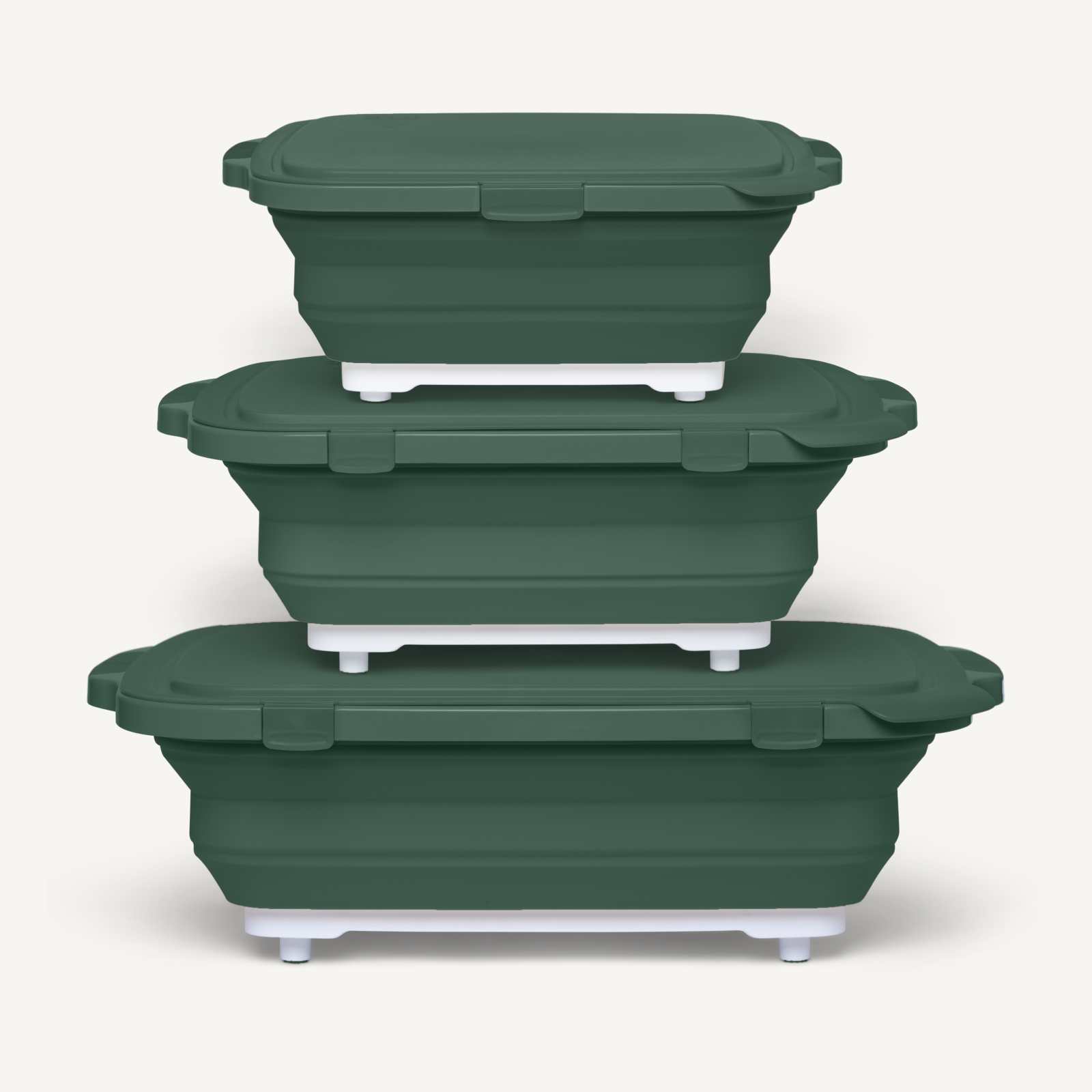
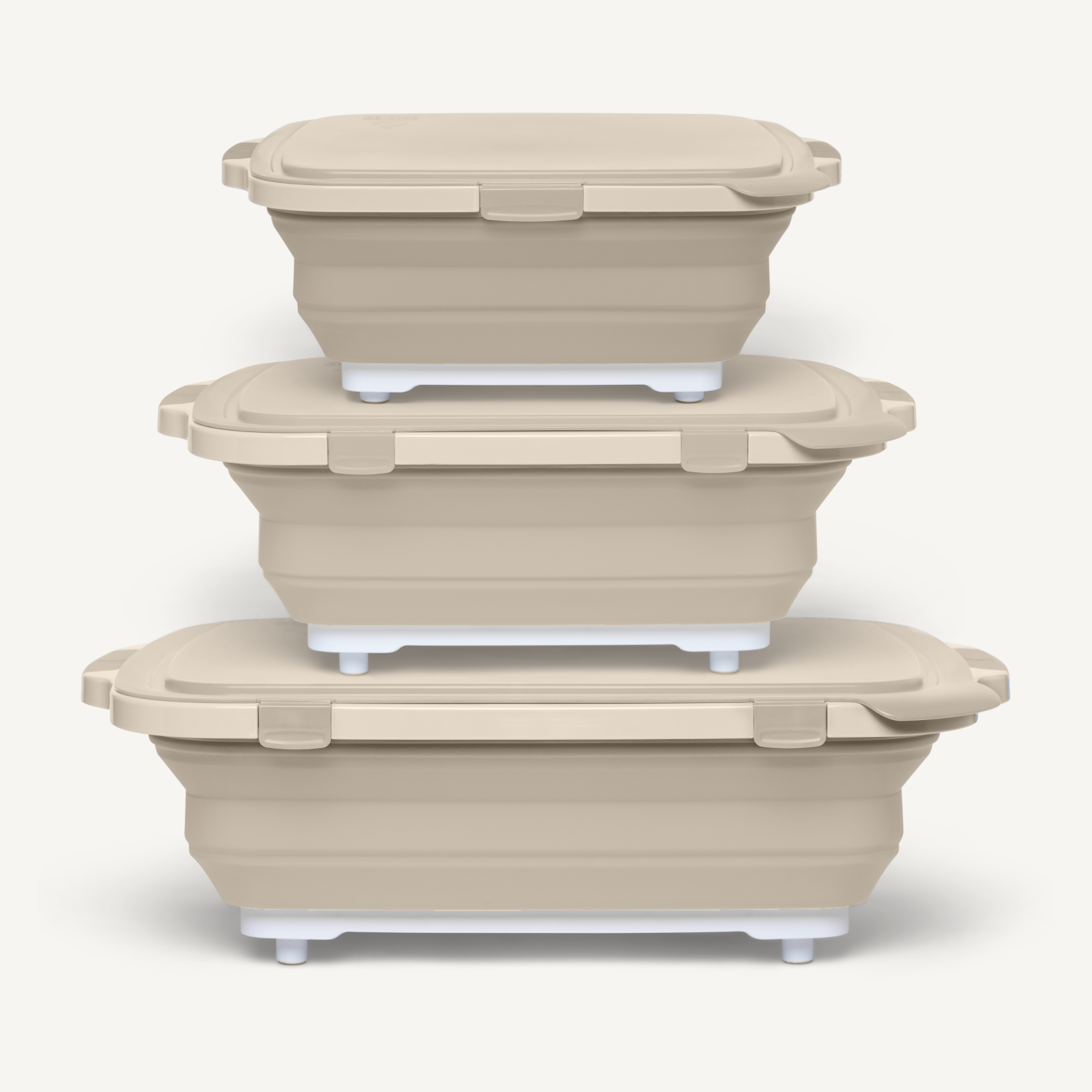
- Spatchcock the bird (optional, but we like it). Take kitchen shears and remove the backbone; press down on the breastbone until it cracks and the bird lies flat. It brines more evenly, it cooks faster, and it actually fits in a container. You can do this directly in your XL Prep Tub.
- Make the brine. About 1 cup of kosher salt per gallon of water. Bring a portion of the water to a boil with your salt, sugar, and aromatics to dissolve everything, then add the rest cold.
- Cool it completely. This is non-negotiable. Warm brine on raw poultry puts your turkey straight into the danger zone.
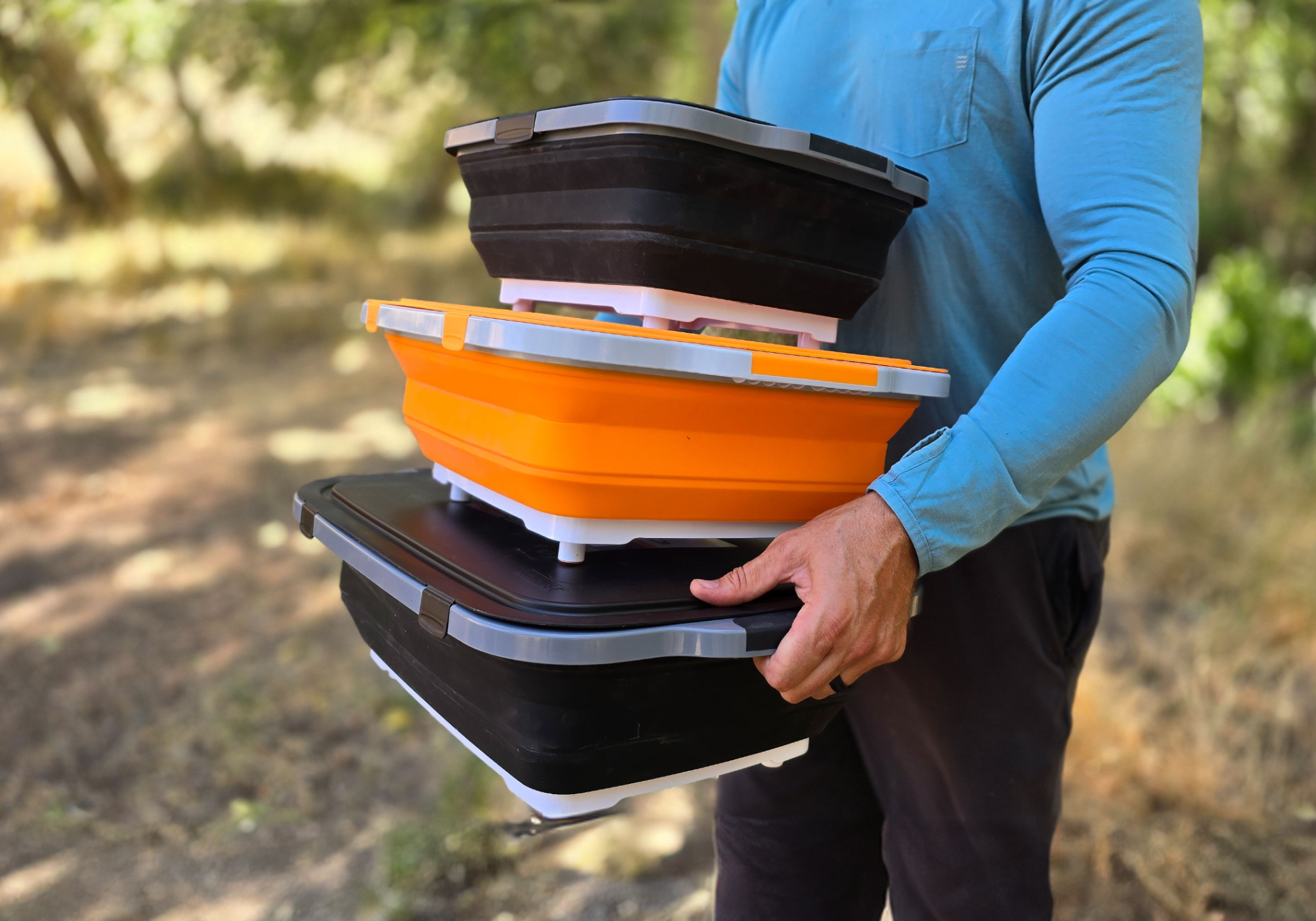
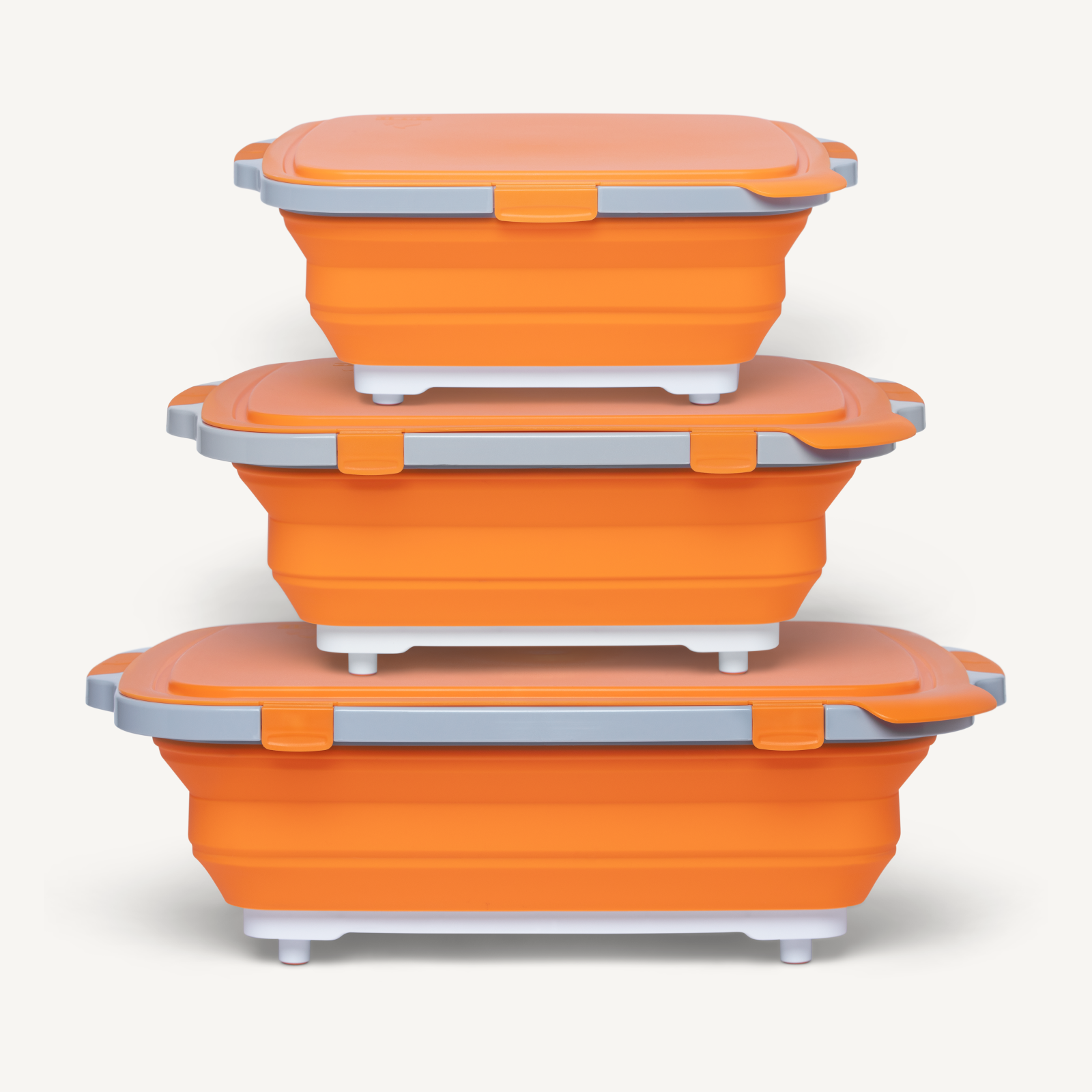
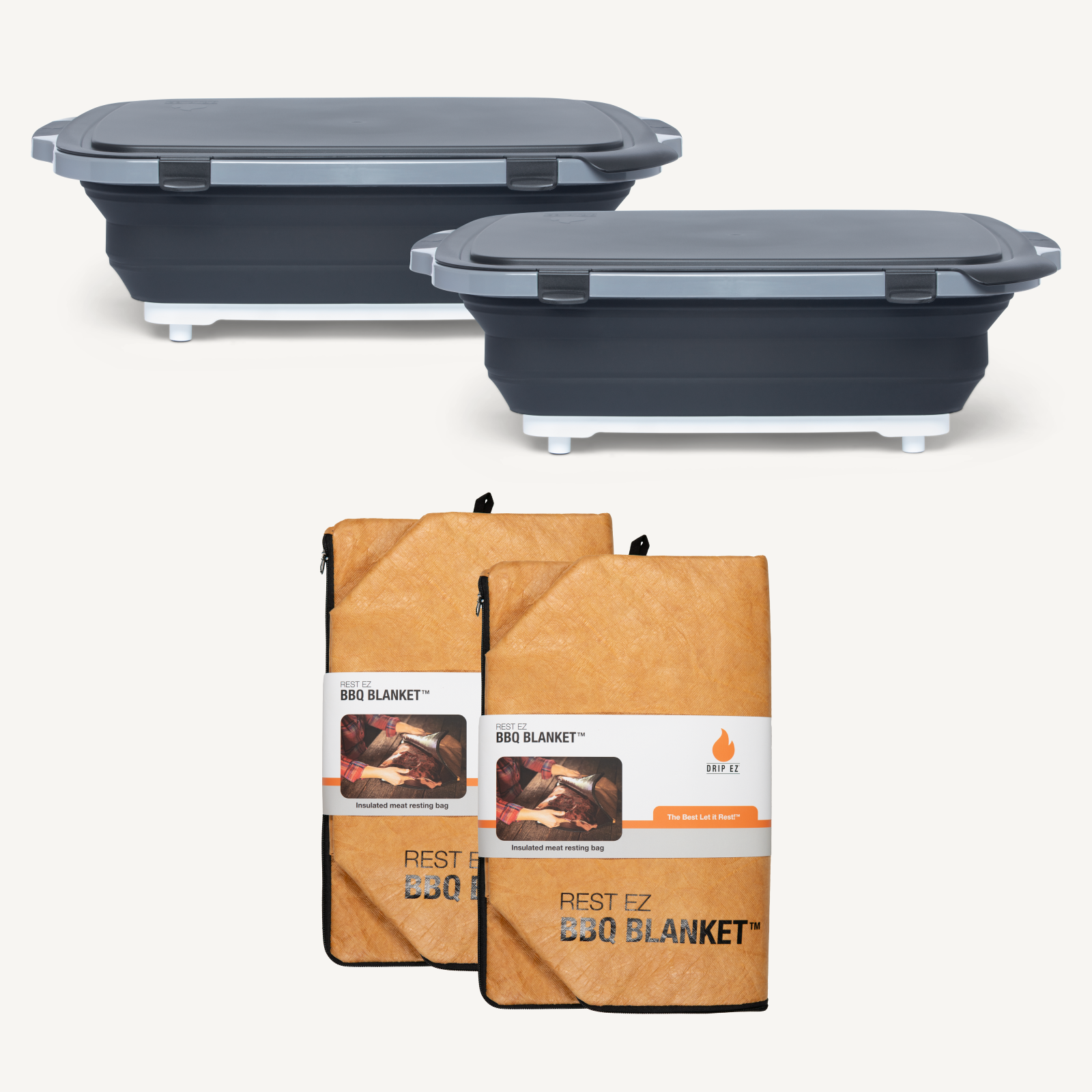
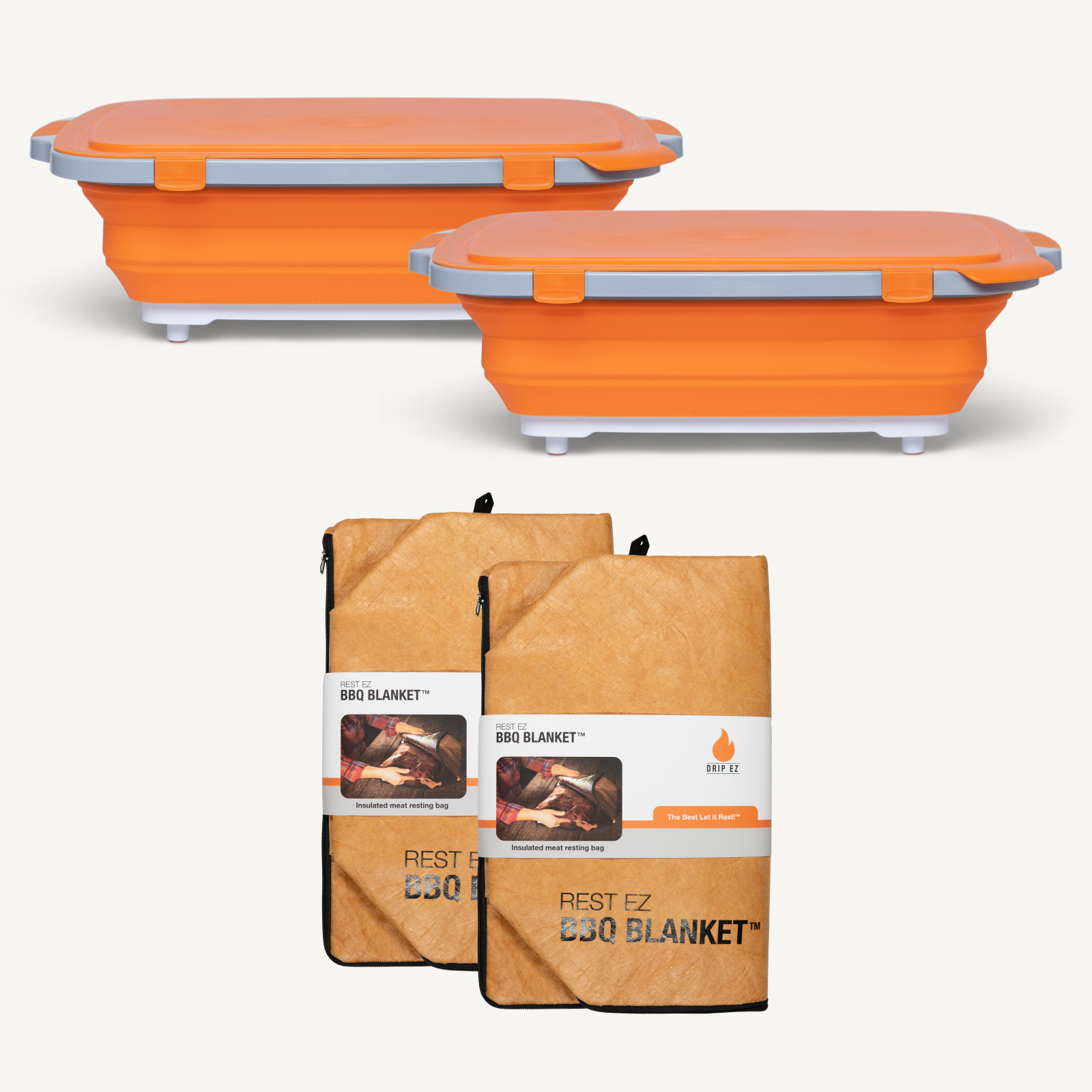
- Set up your container. A heavy-duty brining bag inside an XL Prep Tub is the setup we use. The bag holds the liquid, the tub contains the bag, and the locking lid means you can move the whole thing to the fridge without rearranging your kitchen. (Not sure which size you need? We broke that down here.)
- Brine 12 to 24 hours, refrigerated, below 40°F the whole time.
- Pull it out and pat it dry. Paper towels, inside and out. Don’t rinse it in the sink — that splashes raw poultry bacteria around your kitchen and doesn’t accomplish anything the paper towels won’t.
How to dry brine a turkey
- Spatchcock it in your prep tub (same reasons as above).
- Measure your salt. About ½ teaspoon of kosher salt per pound of turkey. A 14-pound bird needs roughly 7 teaspoons, or a little over 2 tablespoons.
- Season everything. Salt the whole surface, including under the skin where you can get to it, and inside the cavity. Add sugar, pepper, or herbs if you want.
- Refrigerate uncovered for 24 to 72 hours. Uncovered is the point. The air dries the skin out, and dry skin is crispy skin.
- Don’t rinse it. The salt has already been absorbed. Anything still on the surface is seasoning.
Pro tip: Whichever method you use, let the bird sit uncovered in the fridge for the last 12 to 24 hours. That air-drying step is what separates crispy skin from leathery skin, and almost nobody does it.
Brining mistakes that ruin a turkey
Please note: Check your label before you brine anything. If the turkey is labeled kosher, self-basting, enhanced, or “contains up to X% solution,” it has already been brined at the plant. Brine it again and it will be inedibly salty.
- Salt type matters more than you think. A cup of table salt and a cup of kosher salt are not the same amount of salt — table salt is much denser, so the same volume is significantly saltier. Every ratio in this post assumes kosher salt. If you’re using table salt, cut the volume by roughly half.
- Never reuse brine. It’s had raw poultry in it. Dump it.
- Keep it cold the entire time. Below 40°F, same rule as everything else. We go deeper on the danger zone in our guide to resting meat.
- Don’t over-brine. More time is not better. A turkey left in a wet brine for two days comes out spongy and too salty to fix.
After the brine: season, smoke, rest
Once the bird is dry, spray it lightly with avocado oil as a binder and hit it with a simple rub. Something salt-forward is risky here since you’ve already salted the bird, so a lighter hand than usual is the move.
For smoking: start around 225°F to get smoke into the meat, then bump the heat to 325–350°F to crisp the skin. Pull it when the thickest part of the breast reads 165°F. Two thermometers is better than one — breast and thigh cook at different rates.
Then rest it for 30 to 45 minutes, which feels like forever and is worth every second. A Rest EZ® BBQ Blanket holds it at temperature while you finish the sides, and the cutting board built into your prep tub means you can carve right there and keep all the juice in the tub instead of on the counter.
Want a showstopper recipe? Steven Raichlen’s truffle-stuffed smoked turkey is worth a look.
Turkey brining FAQ
Should I wet brine or dry brine a turkey?
Dry brine if you want crispier skin, deeper turkey flavor, and less mess. Wet brine if your main worry is a dry bird and you have the fridge space. Both produce a juicier turkey than no brine at all.
How long should I brine a turkey?
12 to 24 hours for a wet brine, 24 to 72 hours for a dry brine. Don’t exceed those windows — over-brining makes the meat spongy and overly salty.
How much salt do I need to brine a turkey?
About 1 cup of kosher salt per gallon of water for a wet brine, or about ½ teaspoon of kosher salt per pound of turkey for a dry brine. Use kosher salt; table salt is denser and will oversalt the bird at the same volume.
Do I rinse the turkey after brining?
No. Pat it dry with paper towels. Rinsing raw poultry in the sink spreads bacteria around your kitchen and doesn’t remove meaningful salt.
Can you brine a frozen turkey?
No. Thaw it completely first. Brine can’t penetrate frozen meat, and a partially frozen bird will cook unevenly.
Do I still need to brine if my turkey is already brined?
No, and you shouldn’t. Kosher, self-basting, and “enhanced” turkeys were brined at the plant. Brining again makes them too salty to serve.
In summary: How to brine a turkey
What brining does: salt loosens the muscle fibers so the turkey holds onto its moisture, and seasons the meat all the way through instead of just the surface.
Wet brine: about 1 cup kosher salt per gallon of water, 12 to 24 hours. Maximum insurance against dryness, harder to crisp the skin, takes up your whole fridge.
Dry brine: about ½ teaspoon kosher salt per pound, 24 to 72 hours. Crispier skin, deeper flavor, barely any mess.
The rules that apply to both: kosher salt, not table salt. Keep it under 40°F. Never brine a turkey that’s already been brined. Pat dry, don’t rinse. And let it air-dry uncovered in the fridge for the last 12 to 24 hours if you want skin worth photographing.
After the brine: smoke at 225°F, finish at 325–350°F, pull at 165°F, rest for 30 to 45 minutes.
Do that and nobody at your table is going to say the turkey’s a little dry.