
Holiday season is upon us. And does anything smell more like a party than pulled pork? Talk about drawing a crowd. And, if you’re the one hosting, a pork butt is like Grandma: she’s the most forgiving member of the family. She’s resilient enough to survive your mistakes, and can feed a lot of people for very little money. If you’re going to attempt a long cook for a houseful of guests, this is a great choice.
Below you’ll find what temperature to pull it at, how long it’ll actually take, and how much to buy so nobody leaves hungry.
Pork butt vs. pork shoulder: what’s the difference?
The pig's front shoulder is split into two pieces. The upper portion is the Boston butt, usually sold as pork butt. The lower portion, down toward the leg, is the picnic shoulder. (We know it’s confusing, but no, the pork butt is not the rear of the pig. That’s actually the ham). The name “pork butt” actually comes from the barrels, called butts, that shoulder meat was once packed into in colonial New England, and it stuck.
Anyways: for pulled pork, you want the Boston butt. It’s better marbled, more evenly shaped, and it shreds beautifully. The picnic works, too, and is often cheaper, but it has more skin and connective tissue to deal with and a less uniform shape.
What temperature is pulled pork done at?
Pulled pork is done between 195°F and 205°F, with 203°F being the number most pitmasters land on.
That range exists because pulled pork isn’t about reaching a safe temperature. Pork is food-safe at 145°F, which you’ll pass sometime in the first few hours. You keep going for another 50 or 60 degrees because that’s what it takes for the collagen in the shoulder to break down into gelatin, and gelatin is what lets the meat shred instead of slice.
Pull it at 185°F and you’ll get something perfectly edible that you can cut into pieces. But you will not get pulled pork.
That said, the temperature is your cue to start checking, not your signal to pull. The real tests are physical:
- The probe test. A thermometer probe or skewer should slide into the thickest part with no resistance, like going into warm butter.
- The bone test. On a bone-in butt, the blade bone should wiggle free and pull clean out of the meat. If you have to work at it, give it longer.
- The squeeze. A finished butt feels loose and yielding, almost like it’s giving up.
If two of those three say yes, you’re there.

How long does it take to smoke a pork butt?
Plan on roughly 1.5 to 2 hours per pound at typical smoking temperatures. Here’s how that breaks down:
|
Smoker temp |
Time per pound |
8 lb butt |
Tradeoff |
|
225°F |
About 2 hours |
14 to 16 hours |
Longest stall, best bark, most smoke flavor |
|
250°F |
About 1.5 hours |
11 to 13 hours |
The balance most people settle on |
|
275°F |
About 1 to 1.25 hours |
8 to 10 hours |
Fastest, but needs closer attention to the fire |
Now the important caveat, and please take this one seriously: Two pork butts of identical weight, on the same smoker, on the same day, can finish three hours apart. Thickness matters more than weight. Fat content matters. How long you sit in the stall matters, and that varies wildly.
So build in a buffer. Start earlier than you think you’ll need, and plan to hold the finished pork rather than rush it. A butt that finishes four hours early can rest the entire time comfortably, but a butt that finishes two hours late ruins your dinner.
The stall, and whether to wrap
Somewhere around 150°F to 170°F your pork butt will stop climbing and sit there, sometimes for hours. That’s the stall, and it happens for the same reason it does on a brisket: moisture evaporating off the surface pulls heat away as fast as the smoker adds it.
Pork butt handles the stall better than brisket does. So much intramuscular fat renders through the meat that it stays forgiving even through a long, slow climb, which is why plenty of people never wrap a butt at all.
If you do want to speed things up, foil will get you through the stall fastest at the cost of your bark, and butcher paper will shorten it a little, while keeping most of the crust intact. We went deep on that tradeoff in our guide to the brisket stall, and all of it applies here.

Rest it, then shred it in the tub
When the probe slides clean, resist every instinct telling you to start pulling it apart immediately.
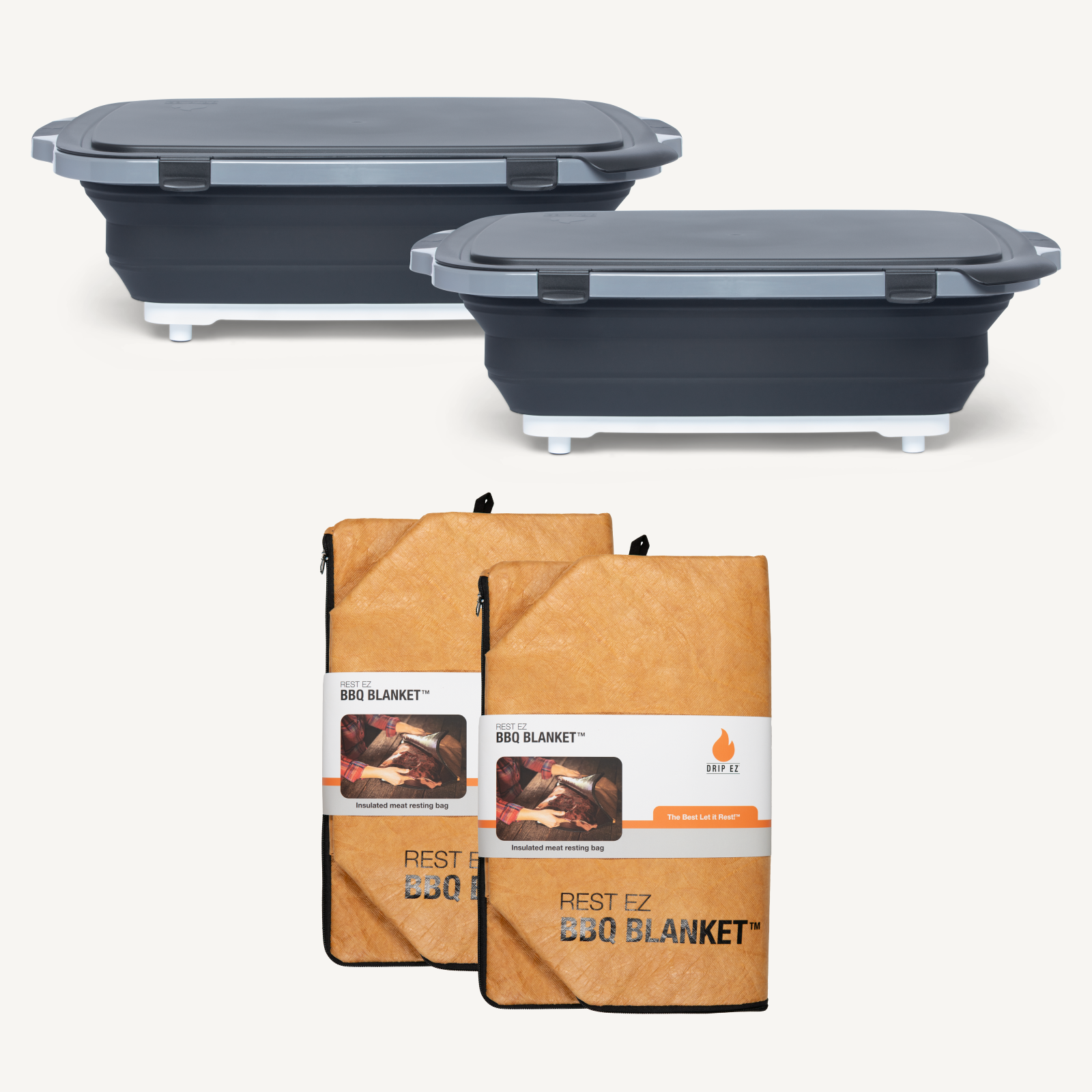
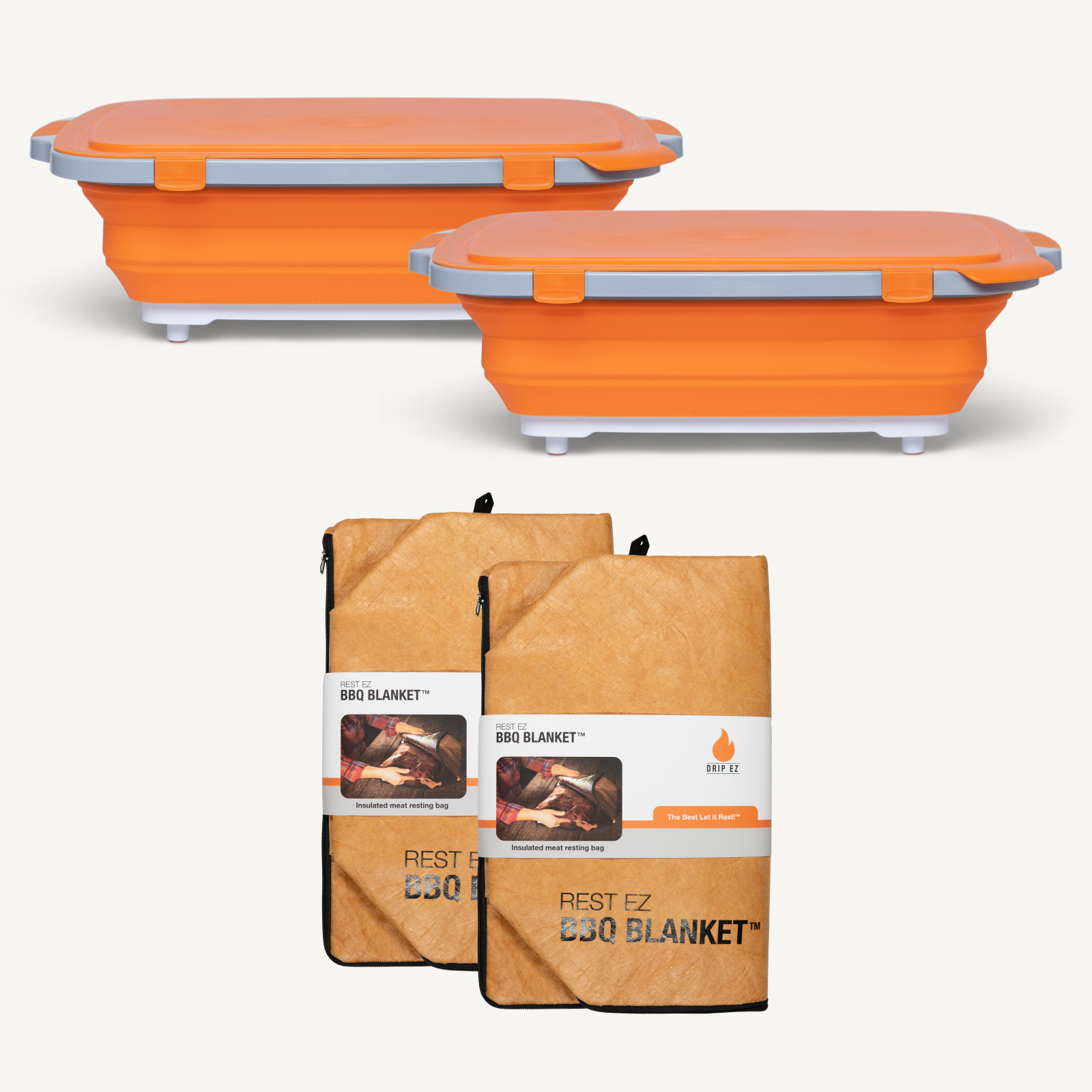
A pork butt needs a long rest. Our resting guide calls for two to five hours on a cut this size, and an hour is the bare minimum if you’re up against the clock. Wrap it, get it into a Rest EZ® BBQ Blanket, and let the fibers relax while the juices redistribute.
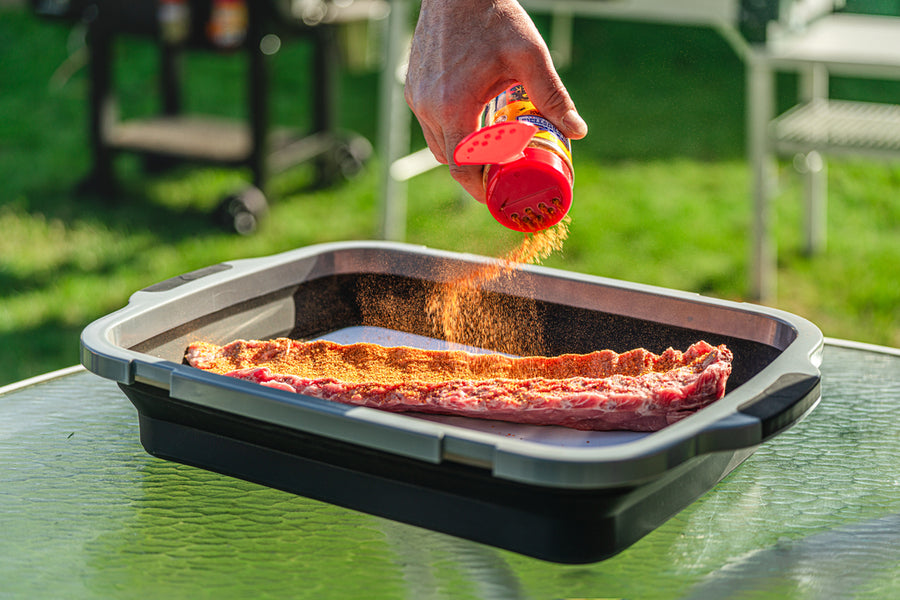
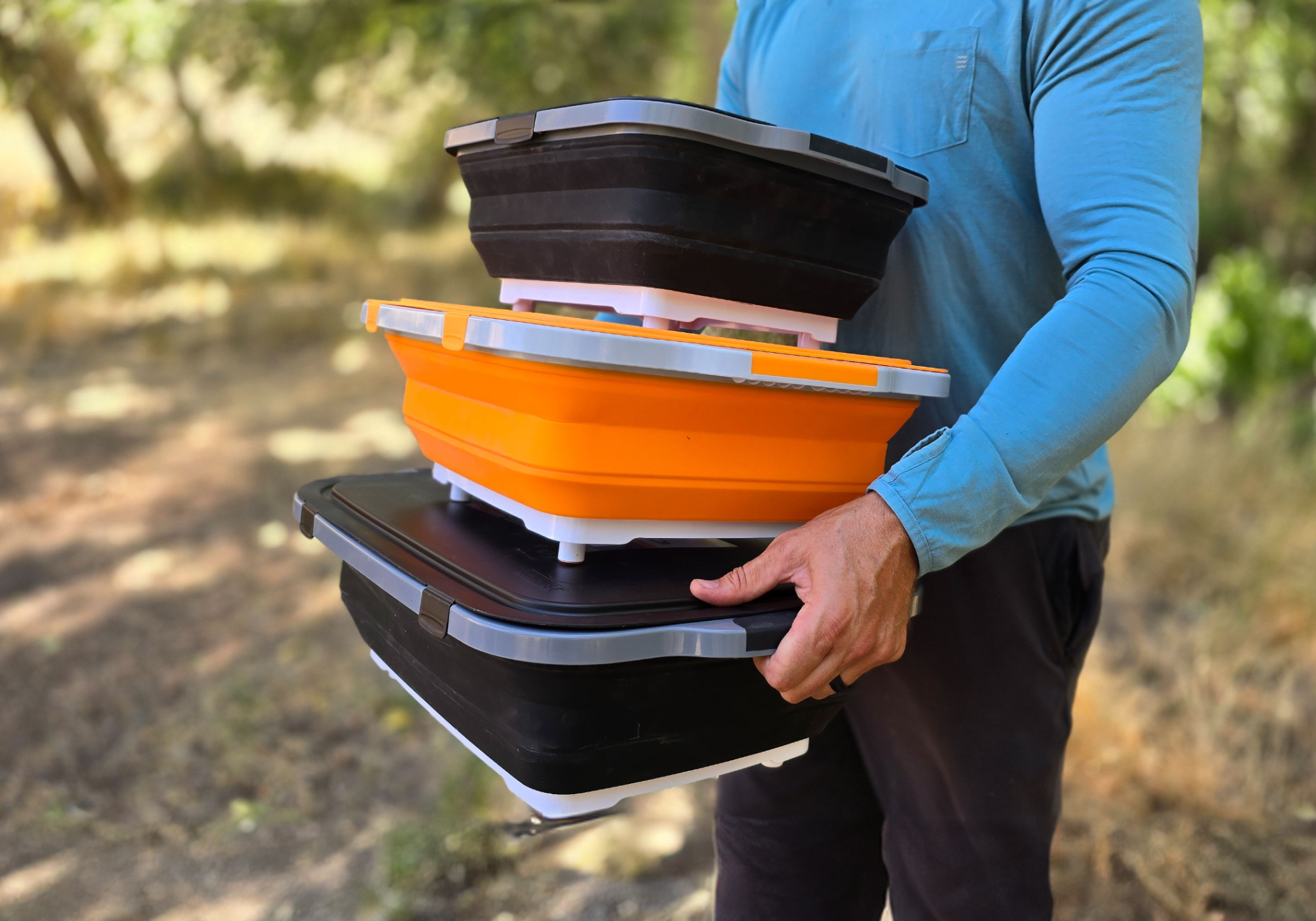
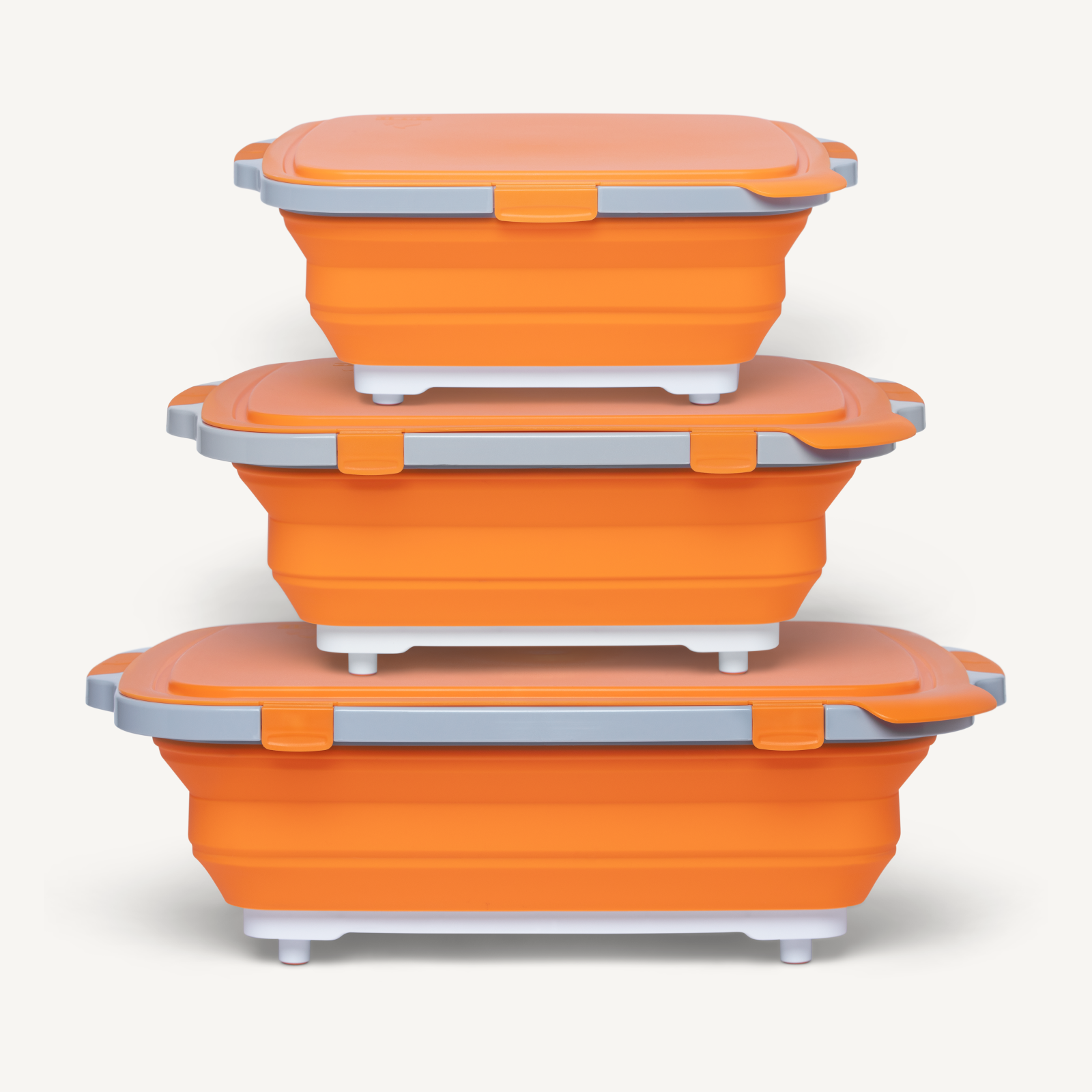
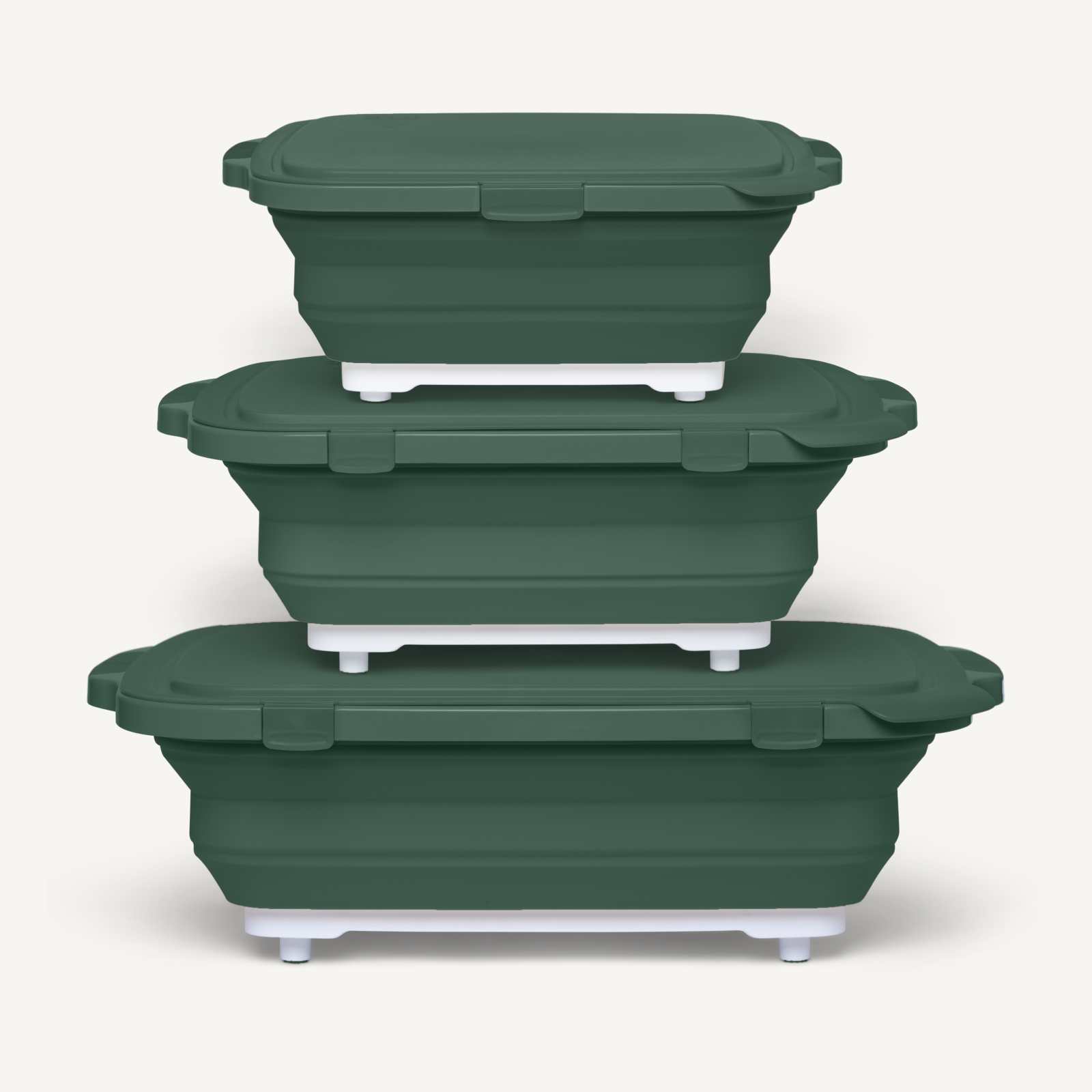
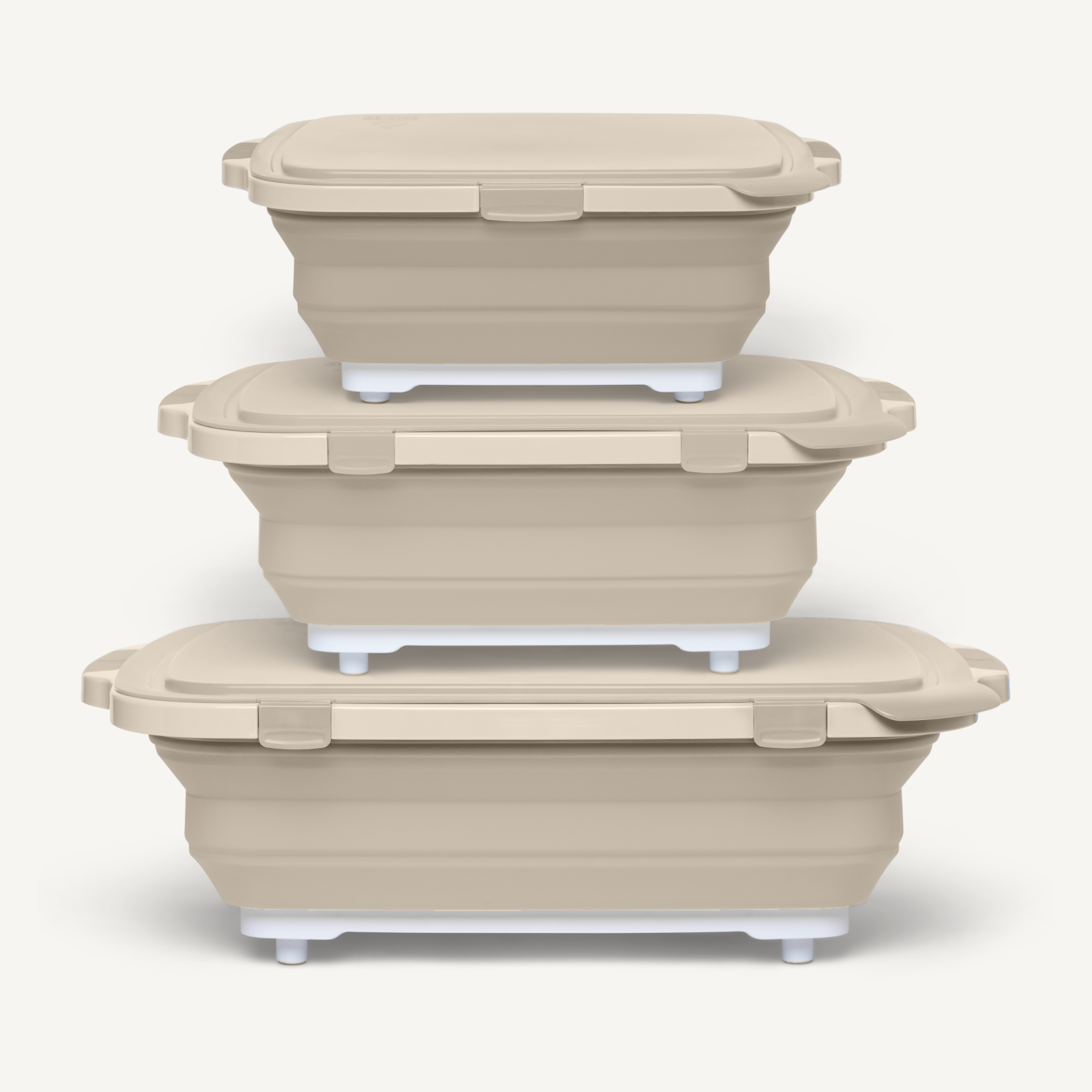
Then comes the best part. Shred it directly in a BBQ Prep Tub rather than on a cutting board, because a cutting board sends all that rendered fat and juice straight onto your counter. The tub catches it all, so you can toss the shredded pork back through its own juices before serving.
Make sure you have a set of meat claws, too. And when you’re done, pop up the sides to your prep tub and it can become your serving vessel, just like our ambassador @kandbcooking does with her Party Pulled Pork Board.
How much pork butt do I need?
More than you think, because a pork butt loses a lot of weight on the way to the plate. Between trimming, the bone, rendered fat, and moisture loss during a 12-hour cook, expect to end up with roughly half of what you started with. An 8-pound butt yields about 4 pounds of finished pulled pork.
The planning rule is about 12 ounces of raw pork per person, which lands you around 6 ounces cooked. That’s a generous sandwich.
|
Raw weight |
Cooked yield |
Feeds about |
|
4 lbs |
~2 lbs |
5 to 6 people |
|
8 lbs |
~4 lbs |
10 to 12 people |
|
12 lbs (two butts) |
~6 lbs |
16 to 18 people |
When in doubt, cook more. Leftover pulled pork is one of the great gifts of barbecue, and it freezes well in a sealed Secondz® container.
Pulled pork FAQ
What is the internal temperature for pulled pork?
Between 195°F and 205°F, with 203°F the most commonly cited target. Below 195°F the collagen hasn’t broken down enough for the meat to shred properly.
How long does it take to smoke a pork shoulder?
About 2 hours per pound at 225°F, 1.5 hours per pound at 250°F, and 1 to 1.25 hours per pound at 275°F. An 8-pound butt takes roughly 11 to 13 hours at 250°F.
Is pork butt the same as pork shoulder?
Pork butt is the upper half of the shoulder, also called Boston butt. The picnic shoulder is the lower half. People often use "pork shoulder" for either one. For pulled pork, choose the butt.
Can you overcook a pork butt?
It’s hard but not impossible. Push much past 205°F and the meat can go mushy and lose its texture. The fat content makes pork butt far more forgiving than brisket, which is why it’s the better first long cook.
How long can I hold pulled pork before serving?
Several hours, as long as it stays above 140°F. Wrapped and insulated, a butt will hold safely for four hours or more. Keep a probe in it and serve before it drops toward that line.
Should I shred it hot or let it cool?
Shred it warm, after the rest. Cold pulled pork is hard to separate, and the fat firms up, making the texture waxy instead of silky.
In summary: pulled pork temperature and timing
Pulled pork is done somewhere between 195°F and 205°F, and most people land on 203°F. You go that far past the safe temperature because collagen needs the heat and the time to turn into gelatin, and gelatin is what makes the meat shred instead of slice. Use the number as your cue to start checking, then trust the probe and the blade bone over the thermometer.
For timing, plan on about two hours per pound at 225°F, an hour and a half at 250°F, or a little over an hour at 275°F. Start earlier than you think you need to and plan to hold the finished pork, since resting a butt for a few extra hours only improves it.
Buy about 12 ounces of raw pork per person. You’ll lose roughly half the weight to trimming, bone, and rendering, so an 8-pound butt comfortably feeds ten to twelve. When it’s finally time to pull it apart, shred it right in the tub so all those juices go back into the meat instead of onto your counter.