The Serve Up Blog
The Serve Up Blog

Which Griddle Spatula Do I Need? Scraper vs. Spatula
You bought the griddle. You've made exactly one batch of smash burgers, and they were pretty good, actually. But now you're not sure what else to make, or what tools you need. If you're new to cooking on a flat top in general, our roundup of grilling mistakes beginners make covers many of the habits that carry straight over. If you’re just curious what tools you’ll need to have a successful flat-top experience, we’ll walk you through tool-by-tool. What's the difference between a griddle scraper and a griddle spatula? A griddle scraper has a short, wide blade built to chop, scoop, and clean the surface. A griddle spatula has a longer, thinner blade built to slide under food and flip it. Think about it like this: the scraper works the griddle; the spatula works the food. Most cooks keep both close at hand. Tool Blade Tip shape Best for Griddle Scraper 5" x 5", 430 stainless Beveled front edge Chopping, scooping, fried rice, hash, cleanup Medium Round Tip Spatula 7.5" x 2.75", 430 stainless Rounded Eggs, pancakes, fish, grilled cheese Large Square Tip Spatula 8.25" x 4", 430 stainless Square, beveled edges Smash burgers, cheesesteaks, big batches Pro tip: if you only buy one thing, buy the tool that matches what you cook most. Breakfast people will for sure want the round tip. Burger people will want the square tip. When should you use a round tip spatula? Use the round tip spatula for anything that might fall apart on you: eggs, pancakes, fish fillets, grilled cheese, quesadillas. Our 7.5" by 2.75" blade is narrow enough to steer in a crowded corner of the griddle and thin enough at the tip to slide under a fried egg without breaking the yolk. The rounded shape means no corners – which means you won’t risk breaking the more delicate of foods, like pancakes or eggs. (If you've ever completely demolished an over-easy egg, this is the right tool for you.) When should you use a square tip spatula? The square tip spatula is your smash burger tool. When you smash a patty thin, it welds itself to the griddle, and that crust must. Be. protected. (At all costs!) This spatula will make sure you don’t leave any crust behind. The 8.25" by 4" blade is also wide enough to move two or three patties at once, which definitely helps when you're feeding people (or yourself) in batches. Our full smash burger guide walks through the technique start to finish. Beyond burgers, the square tip is what you want for cheesesteaks, chopped onions and peppers, hash browns pressed into a sheet, and anything you're cooking in volume. Can you smash the patty with it? You can press down with the blade, but a dedicated press gives you an even, round patty with less effort. The EZ Burger Press is a better option for patty-smashing. When should you use a griddle scraper? The scraper is the tool most new griddle owners skip and then end up using constantly. The 5" by 5" blade isn't built to flip anything, but rather to chop, push, scoop, and clean. Chopping is where hibachi nights come into play. Think fried rice, stir-fry, breakfast hash, diced potatoes: you work the blade down through the food right on the griddle surface, then use the same blade to scoop it into a pile or off onto a plate. Then, to cleanup, just scrape the griddle while it’s still warm; cold debris cements itself on and makes you work three times as hard. Pro tip: a splash of water on the warm griddle turns into steam and loosens everything stuck to it. Scrape it into the grease trap and wipe the surface with a thin coat of oil. What is the two-spatula technique? Watch anyone working a flat top in a restaurant and you'll notice something: they almost never have just one tool in hand. Two spatulas lets you chop with both hands in an alternating rhythm, which is about twice as fast as chopping with one. It also lets you lift something big (a full cheesesteak portion, a stack of pancakes) from both sides, so it doesn't fold or slide off on the way to the plate. That's exactly why our 3 Piece Griddle Spatula Set exists. Not because you need three tools out at once, but because you'll want two hands working. Will metal spatulas scratch my griddle seasoning? Not if you're using them the way they're meant to be used. Griddle seasoning isn't a coating sitting on top of the steel like nonstick. It's polymerized oil that has chemically bonded to the metal surface itself. Metal tools are exactly what a seasoned flat top is designed for, and a well-made spatula with a beveled edge rides across the surface instead of digging into it. Restaurant flat tops get worked with steel all day long. Two things that can hurt seasoning: scraping a cold griddle with a corner of the blade, and skipping the thin coat of oil after cleaning. Scrape while it's warm, oil it after, and your seasoning will keep building. Drip EZ griddle tools are 430 stainless with beveled edges, which makes them rust-resistant and gentle on seasoning. They're also dishwasher-safe. Which griddle tools should you buy first? It depends on what you actually cook. If you mostly cook Start with Why Breakfast Medium Round Tip Spatula Eggs, pancakes and bacon all want a thin, rounded tip Smash burgers and cheesesteaks Large Square Tip Spatula The beveled square edge is what lifts the crust Fried rice, hash, breakfast potatoes Griddle Scraper Chops and scoops in one tool A bit of everything 3 Piece Griddle Spatula Set Scraper plus both spatulas, which also gets you two-handed Griddle Spatula FAQ What's the best spatula for smash burgers? A large square-tip spatula with a beveled edge. The square corners get fully under a thin patty and the bevel slides beneath the crust instead of shearing it off. Look for a stiff blade that doesn't flex, since flex is what makes a patty tear when you lift it. Can I use griddle tools on a regular grill? Yes. They work on grill grates and in cast iron skillets, not just flat tops. The scraper is less useful on grates, but both spatulas work fine anywhere you'd use a regular grilling spatula. Your Griddle Tool Cheat Sheet A griddle scraper chops, scoops, and cleans with a short 5" by 5" blade. A round tip spatula slides under delicate food like eggs, pancakes, and fish. A square-tip spatula has the width and the beveled edge to lift smash burger crust and move big batches. Shop Griddle Tools →
Read more
Must-Have Blackstone Griddle Accessories
Somebody in your life just got a griddle. Or maybe that somebody is you, and it's currently sitting on the patio under a cover, perfectly clean, because you're not entirely sure what you need to actually start cooking on it. Either way, you're in the right place. A flat top is the most useful cooking surface in the backyard once you have the right tools on the shelf next to it, and the list is shorter than the accessory aisle would have you believe. What accessories do you actually need for a Blackstone griddle? Five tools cover almost everything: a scraper, a round-tip spatula, a square-tip spatula, a burger press, and a dome. The scraper and the two spatulas handle daily cooking and cleanup. The press and the dome turn a flat top into a proper smash-burger setup. Everything past those five is about making the cook easier rather than making it possible. The five core tools and what each one does Tool Size and material What it's for Griddle Scraper 5" x 5" blade, beveled front edge, 430 stainless Chop, scoop, turn, cleanup Medium Round Tip Spatula 7.5" x 2.75" blade, 430 stainless Eggs, pancakes, fish, delicate foods Large Square Tip Spatula 8.25" x 4" blade, beveled edges, 430 stainless Smash burgers, chopping, big batches EZ Burger Press 6" round, one piece of 304 stainless Smash burgers, bacon, smashed potatoes, sandwiches Griddle Dome 10.25" x 10.25" square, 3.5" tall, 304 stainless Melting cheese, steaming, finishing thick cuts Each of these does one job well, and the differences matter more than they look. We broke down scraper versus spatula in detail if you want the full comparison of blade shapes. The two worth a closer look here are the press and the dome. The burger press gives you an even, round patty with far less effort than pressing with a spatula. Our EZ Burger Press is one continuous piece of 304 stainless with a single seamless bend, so there are no welds or rivets to flex or work loose. Pro tip: a square of parchment between the press and the patty stops the meat from sticking to the press. Smash, peel the parchment off, and you’re done. The dome is the one new griddle tool owners don't know they want until they use one. Drop it over a patty with a slice of American cheese, and the cheese melts in about thirty seconds. Add a splash of water underneath for steam, which helps you finish thicker cuts and warm buns without drying anything out. Before the food hits the griddle A Prep Tub lets you form patties, season them, hold your sliced onions and peppers, and carry it all out in one trip. The locking lid means it travels, so you can take everything to a tailgate or campsite without four containers sliding around the back seat. If you're not sure which size fits how you cook, our prep tub size guide breaks down all three. Keep a rub within reach too. DB's Original Rub works on burgers, breakfast potatoes, and just about anything else you're cooking on a flat top. And BBQ Grill Mitts are worth having nearby. They're heat resistant to 480°F and slip on and off fast, which is helpful when you're moving a hot dome or a loaded sheet pan with one hand. Where do you put all of it? The scraper and both spatulas are 430 stainless, which is magnetic, so they hang on a Magnetic Hopper Shelf right where you're cooking instead of living in a kitchen drawer. They also have hanging eyelets if you'd rather hook them somewhere. Oh, and we can’t forget about leftovers. Secondz® containers seal airtight and collapse flat for storage. Which griddle accessories should you buy first? It comes down to what you'll actually cook on it. If you're a Start with Why Breakfast cook 3 Piece Griddle Spatula Set Round tip for eggs and pancakes, scraper for hash and cleanup Smash burger fan Smash Burger Kit (press, square tip spatula, dome) The three tools the technique actually needs Already own spatulas EZ Burger Press and Griddle Dome The two that turn a flat top into a smash burger station Does-it-all type Griddle Accessories Kit (all five tools) Nothing to go back and buy later Are griddle accessories a good gift? They're one of the easier gifts to get right. A griddle owner will actually use them, and there's no sizing or taste to guess at. For stocking stuffers, go with a single tool. Our Griddle Scraper is the one most people don't think to buy for themselves and then use constantly. The EZ Burger Press is a fun one, and it's an easy yes for anyone who's been smashing patties with the back of a spatula. For a bigger gift, reach for our Griddle Accessories Kit. It's the right call when somebody unwrapped a griddle this year and doesn't own a single tool to cook on it with yet. And if you want the whole setup in one box, add a Prep Tub. Tools plus somewhere to prep means they'll be cooking that same weekend. Griddle Accessories FAQ Do these work on other griddle brands? Yes. They work with Blackstone, Camp Chef, Weber, Traeger, Nexgrill, Pit Boss and other flat tops, plus grill grates and cast iron. A spatula or a dome isn't brand-specific. Are griddle accessories dishwasher safe? Drip EZ griddle tools are dishwasher safe. The handles are wrapped in heat-resistant silicone, so they stay comfortable at the griddle and still clean up without any fuss. What's the difference between 430 and 304 stainless? Both are rust resistant. 430 is magnetic, which is why the scraper and spatulas hang on a magnetic shelf. 304 is used for the press and the dome, where the extra corrosion resistance matters more than the magnetism. How many tools do I really need to start? One spatula gets you cooking. Two tools plus a scraper gets you most of the way. The full five is where you stop wishing you had something else in your hand. What to Put in the Cart The five that cover it: a scraper for chopping and cleanup, a round-tip spatula for eggs and anything delicate, a square-tip spatula for smash burgers and volume, a press for even patties, and a dome for melting and steaming. Add a Prep Tub so everything comes out to the griddle in one trip, a magnetic shelf so the tools live where you cook, and Secondz® for the leftovers you'll definitely have. If you're buying for yourself, start with whatever matches the food you actually make, then fill in the rest as you go. Oh, and if the griddle is brand new to you, our roundup of grilling mistakes beginners make covers many habits that carry straight over to a flat top. Shop Griddle Tools →

Best Wood for Smoking: A Meat-by-Meat Pairing Guide
If you’re just getting into smoking, the enthusiasts on your social media feed can cloud your ability to make a decision. It’s analysis paralysis, isn’t it? Decision upon decision, opinion upon opinion, and somewhere in there, you have to decide which kind of wood or wood pellets to use for your brisket. Hickory or mesquite? What’s the difference, and does it matter as much as everyone says? Short answer: it matters, but not as much as the forums would have you believe. Let’s get into it. The one rule: match the strength of the wood to the strength of the meat Beef is assertive and can stand up to a heavy smoke. Chicken and fish are delicate and get bulldozed by too much smoke. Pork sits in the middle and goes with almost anything, which is why it’s the most forgiving meat to learn with. Get that pairing roughly right and you cannot go badly wrong. Put mesquite on a salmon fillet, and you’ll taste nothing but smoke. Put alder on a brisket, and you’ll wonder why you bothered. Hickory vs. mesquite: what’s the difference? Hickory is the classic American barbecue wood. It’s bold and a little sweet, with a bacon-like quality to it, and it’s forgiving enough to run through a long cook without taking over. If someone describes a smell as "smoky," they’re usually describing hickory. Mesquite burns hotter and faster, and the flavor is intense and earthy rather than sweet. It’s the signature wood of Texas-style direct-heat grilling, and it’s excellent for a short cook on a steak. Run it for twelve hours on a brisket, though, and it can turn bitter and almost medicinal. So the best way to decide between the two is time. Hickory is built for long cooks. Mesquite is built for short, hot cook times. If you’re smoking something overnight and you only own mesquite, mix it with something milder or go buy a bag of oak. The smoking wood chart The chart below runs strongest to mildest. Once you know roughly where a wood sits on that scale, you can swap it for its neighbors without much consequence. Fruitwoods are especially close enough to be interchangeable that if your store has apple and no cherry, you can just buy the apple. Treat all of this as a starting point rather than a rulebook. Many excellent barbecue recipes use whatever hardwood is cheap and local, and much of what gets presented online as “fact” is really just preference. Wood Strength Flavor Best with Mesquite Strong Intense, earthy, burns hot Beef, steaks, short cooks Hickory Strong Bold, bacon-like, slightly sweet Pork ribs, pork shoulder, bacon, sausage, beef ribs Oak Medium Steady and balanced, the workhorse Brisket, beef ribs, pork shoulder, turkey Pecan Medium Nutty and sweet, a gentler hickory Brisket, pork shoulder, turkey, beef ribs Maple Mild Light and subtly sweet Poultry, pork, salmon Apple Mild Gentle and sweet, gives golden color Chicken, turkey, pork, baby backs, salmon Cherry Mild Sweet, adds deep red color Ribs, chicken, turkey, pork belly, sausage Alder Very mild Delicate, barely sweet Salmon, trout, shrimp, chicken Please note: Cherry does as much for color as it does for flavor. If you’ve ever wondered how someone got that deep mahogany on their ribs, cherry is often the answer. Best wood by meat Same information, but pointed in the other direction, since most people come here knowing what they’re cooking rather than what wood they want. What you’re cooking Go-to wood Also works Avoid Brisket Post oak Hickory, pecan, oak and cherry blend Mesquite alone over a long cook Beef ribs Oak Hickory, pecan, mesquite in small amounts Anything too mild to register Steak Mesquite Oak, pecan Nothing really, it’s a short cook Pork shoulder Hickory Apple, oak, pecan, hickory and apple blend Mesquite on a 12-hour cook Pork ribs Cherry and hickory Apple, pecan, maple Mesquite Chicken Apple Cherry, maple, pecan, alder Mesquite, heavy hickory Turkey Cherry Apple, maple, oak, pecan Mesquite Salmon and fish Alder Apple, maple Hickory, mesquite, oak Please note: Post oak burns clean and steady. If you only ever buy one wood, there is a strong argument for making it oak. "Hickory is one of the densest hardwoods out there, so besides its bold, slightly sweet and a little spicy smoke flavor, it burns hot and long and builds a strong bed of coals that holds my smoker at temperature without constantly adding wood or supplementing with charcoal. Just make sure it’s well seasoned, because if it’s not dry enough it gives a harsh, bitter smoke, but when it’s right, it’s my first choice for smoking." - Al Frugoni, Drip EZ Ambassador. Mixing woods One approach we see a lot is choosing a mild wood as your base with a stronger one layered in, somewhere around a 70/30 split. The mild wood carries the cook, and the strong one gives it a backbone. A few combinations we’ve seen: Hickory and apple for pulled pork and burnt ends. The apple softens the hickory just enough. Cherry and hickory for ribs. You get the color from the cherry and the punch from the hickory. Oak and cherry for brisket. Steady base, better color. Maple and cherry for poultry. Mild enough to let the bird taste like a bird. Pecan and apple for anything lean or delicate. If you’re new, start with a single wood and get to know it before you start blending. Then let your creativity run wild! Woods you should never use Smoking with some of these woods will ruin your food or make people sick. Softwoods. Pine, cedar, fir, spruce. The resin produces acrid, bitter smoke and coats everything in soot. The one exception is a cedar plank for salmon, which is a cooking surface rather than a fuel. Treated, painted or stained wood. This should go without saying, but cooking with old pallets, construction scrap, or furniture is a no-no. The chemicals go straight into your food. Green or unseasoned wood. Too much moisture means it smolders instead of burning, and smoldering wood makes bitter smoke. Soaked wood chips. This one surprises people. Soaking doesn’t make wood smoke longer, it just makes it steam until the water cooks off. You want thin blue smoke, not thick white steam. Anything you can’t identify. If you don’t know what the tree was, don’t burn it under your dinner. Chunks, chips, or pellets? Chunks are for charcoal and offset smokers on long cooks. They burn slowly, and you only need a few. Chips burn fast and suit gas grills and short cooks, or a quick hit of smoke. Pellets are for pellet grills, where the wood is both your fuel and your flavor. Splits and logs are for offsets, where the fire is the whole method. Can you get these same flavors in pellets? Yes. All eight woods above are sold as pellets, and none of the pairing logic changes. One thing is worth checking on the bag, though. Flavored pellets are frequently blends rather than a single species, so a bag labeled cherry is often cherry mixed with a base of oak or alder. If you want the specific flavor you are paying for, look for bags marked 100% hickory or 100% cherry, which several brands make. Avoid pellets flavored with oils instead of wood, and avoid bags padded out with cheap filler species like poplar. Check that the label says 100% hardwood even when it is a blend. Either way, pellet varieties differ less than split logs do, because pellet grills produce lighter smoke to begin with. The stakes in choosing the perfect pellet are lower than the internet makes them out to be. If you’re still working out which cooker suits you, our guide to grills vs. smokers walks through the tradeoffs. Smoking wood FAQ What is the best wood for smoking brisket? Post oak is the standard, especially in Central Texas. It burns clean and steady and complements beef without overwhelming it. Hickory and pecan also work well, and many cooks blend oak with a little cherry for color. What is the difference between hickory and mesquite? Hickory is bold and slightly sweet, and it holds up over a long cook. Mesquite is more intense and earthy, burns hotter, and is better suited to short, hot cooks like steak. Mesquite can turn bitter over a 12-hour smoke. What wood should I use for smoking ribs? Cherry and hickory is the classic pairing. Cherry brings color and sweetness; hickory brings the smoke. Apple and pecan are both good milder alternatives. What is the best all-around smoking wood? Oak. It works on beef, pork and poultry; it burns predictably, and it is very difficult to overdo. If you are buying one wood to start with, buy oak. Should I soak wood chips before smoking? No. Soaked wood steams until the moisture burns off, which produces thick white smoke rather than the thin blue smoke you want. It does not make the wood last meaningfully longer. Can you use too much wood? Yes. Oversmoking produces a bitter, ashy flavor, and it is more common among beginners than undersmoking. Start with less wood than you think you need, especially with hickory or mesquite. Does wood matter on a pellet grill? It matters, though less than on a stick burner, because pellet grills produce a lighter smoke overall. The same pairing logic applies, and blended pellets are a reasonable way to get started. Choosing the right smoking wood Match the strength of the wood to the strength of the meat, and you have solved most of this. If you want specifics, post oak is the safest brisket answer and the best single wood to own. Hickory belongs on pork. Cherry and apple belong on ribs and poultry, and they do as much for color as they do for flavor. Alder is the salmon wood. Mesquite is excellent on a steak and risky on anything that cooks for twelve hours. Beyond that, skip the softwoods and anything treated or unidentifiable, don’t bother soaking your chips, and use less wood than you think you need. Oversmoking is far more common than undersmoking, and it is much harder to fix. Start with one wood, and learn what it does. The nerdy preferences and opinions can come later!

Grills vs. Smokers: How to Choose (And Why You Might Not Have To)
Have you been looking at a grill or smoker for weeks but still haven’t pulled the trigger? It’s a confusing and daunting choice. Everything costs somewhere between four hundred and four thousand dollars, every review contradicts the last one, and somewhere in there a guy with a YouTube channel told you that if you're not running an offset you're not really cooking barbecue. Take a breath. This is not actually a gear question. It's a cooking question, and it's the same one from our guide to cuts of meat: where a cut comes from tells you how to cook it. And how you want to cook tells you what you need to cook it on. So before you spend any money, figure out what you actually want to be making next Saturday. The difference between smoking and grilling The main difference between smoking and grilling is the technique: do you need to use direct or indirect heat? In grilling, food goes over the fire, hot and fast, and it's done in minutes. You cook with radiant heat and brown the surface. Smoking is indirect heat. Food sits beside the fire, not over it, at a low temperature for hours, in a chamber full of smoke. You're not browning anything quickly; you're giving connective tissue enough time at enough heat to break down into gelatin. Those are two different cooking methods, and they happen to have two different appliances named after them, which is where the confusion starts, because plenty of machines can do both. Temperature Time What it's for Grilling 400–600°F, direct Minutes Tender cuts: steaks, chops, burgers, chicken pieces Hot & fast BBQ 300–325°F, indirect 1–5 hours Ribs, chicken, smaller pork cuts Smoking 225–275°F, indirect 4–14 hours Tough cuts: brisket, pork shoulder, short ribs High heat is about the surface. It browns, it crusts, it sears, and it does all of that in the first few minutes. That's great for a ribeye, which has nothing tough in it that needs fixing. Low heat is about time. Collagen needs hours in the 160 to 205°F range to convert to gelatin, and you simply cannot rush that with a bigger fire. Turn the heat up on a brisket, and you get a dry brisket faster. What each one is useful for A grill is for weeknights. Steaks, chops, burgers, sausages, chicken thighs, shrimp, vegetables, pizza if you're feeling ambitious. Usually, grilling takes twenty to forty minutes from lighting it to eating. A smoker is for weekends. Brisket, pork shoulder, ribs, whole chickens, chuck roast, beef short ribs. Think four to fourteen hours of smoke time, most of which you can spend doing something else. If you're not sure which camp you're in, ask yourself: do you want to cook dinner, or do you want a hobby? The pros and cons of each type “Grill” covers at least three very different machines, so this is broken out by type rather than as one big column. Type Best at Watch out for Gas grill Speed and convenience. On in 10 minutes, precise control, easy cleanup. Almost no smoke flavor. Struggles to hold true low-and-slow temps. Charcoal kettle Versatility and value. Real fire flavor, and it can smoke with a two-zone setup. You manage the fire yourself. There's a learning curve. Pellet grill Set-and-forget smoking. Dial a temp, walk away, genuinely good results. Most can't sear well. Electronic parts that can fail. Offset / stick burner Flavor. Nothing beats a live wood fire. Constant tending, every 30 to 45 minutes, all day. It's a commitment. Kamado Doing both genuinely well. Holds temperature beautifully. Expensive, heavy, and not going anywhere once you set it down. Electric or propane vertical Cheap, easy entry to smoking. Very forgiving. Lighter smoke flavor. Cannot grill at all. One honest note on pellet grills, since they're the most common first smoker: the drip bucket on the back is not self-cleaning, and it is the chore everybody puts off. A liner turns it into a ten-second job. Can one machine do both? Yes, mostly, with tradeoffs. In our opinion, a charcoal kettle is the most underrated smoker on the market. Bank your coals to one side, put the meat on the other, and you have an indirect cooker. Use the snake method — a curved line of unlit briquettes with a few lit ones at one end, burning slowly around the ring — and a kettle will hold 250°F for five or six hours without much help. People smoke competition-quality ribs on hundred-dollar kettles. A kamado is also a great option. Its ceramic holds temperature so well that it'll sit at 225°F all day and then climb to 700°F for a sear. It's the closest thing to one machine that does everything. A pellet grill plus a cast iron pan can also be a great two-in-one solution. You won't get a true high-heat sear from the pellet grill itself, but you can finish a reverse-seared steak in a screaming hot pan on the grate. No single machine is the best at both, but several are good enough that you'd never notice the difference at your own table. So which should you buy - griller or smoker? Find yourself on this list. You cook on weeknights and want dinner in thirty minutes. Get a gas grill. Don't overthink it, don't let anyone shame you about it. You want to learn, you have a small budget, and you'd like to try a brisket someday. Get a charcoal kettle. It's the best value in outdoor cooking, and it'll teach you fire management, which is the skill that transfers to everything else. You want to smoke, but you don't want to babysit a fire. Go ahead, get a pellet grill. (That's why they sell so well, after all)! You already have a grill you like, and you want to add barbecue. Buy a cheap vertical smoker instead of replacing the grill. Two machines that each do one thing well will beat one machine that does both adequately, and you'll spend less. You want one machine forever, and the budget isn't the constraint. Kamado all the way! Whatever you buy, these don't change Here's the part nobody selling you a grill will tell you: the machine matters less than the technique. Two-zone heat, an instant-read thermometer, and an actual rest will improve your cooking more than a thousand-dollar upgrade will. We wrote about the seven mistakes that cost beginners the most, and not one of them is solved by buying something. Same goes for what happens before and after the cook. Trimming and seasoning in a prep tub works the same on a gas grill as it does on an offset, and a Rest EZ® BBQ Blanket doesn't care what you cooked on either. Buy the machine that fits your Saturdays. Then go use it. 🔥 Shop BBQ Essentials →

How to Choose the Right Prep Tub Size
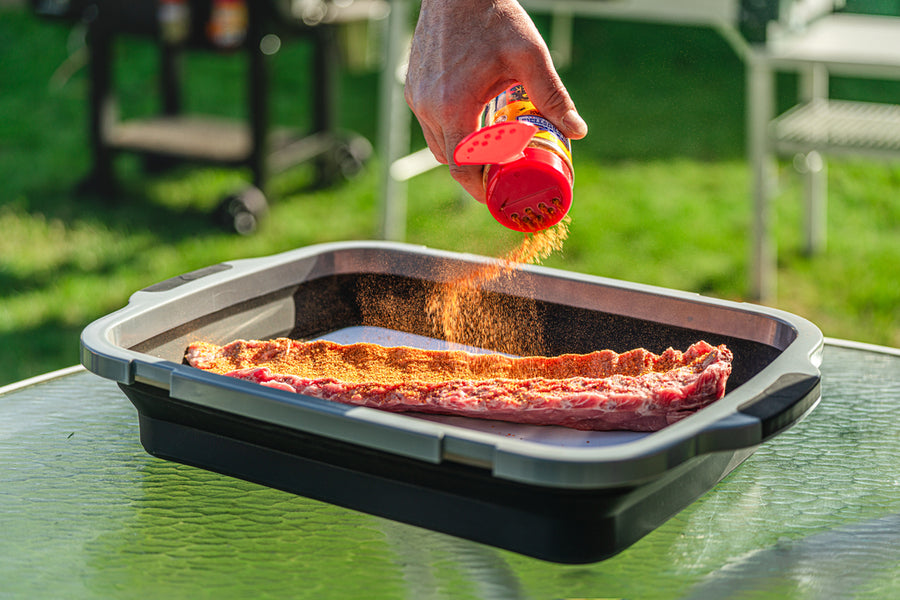
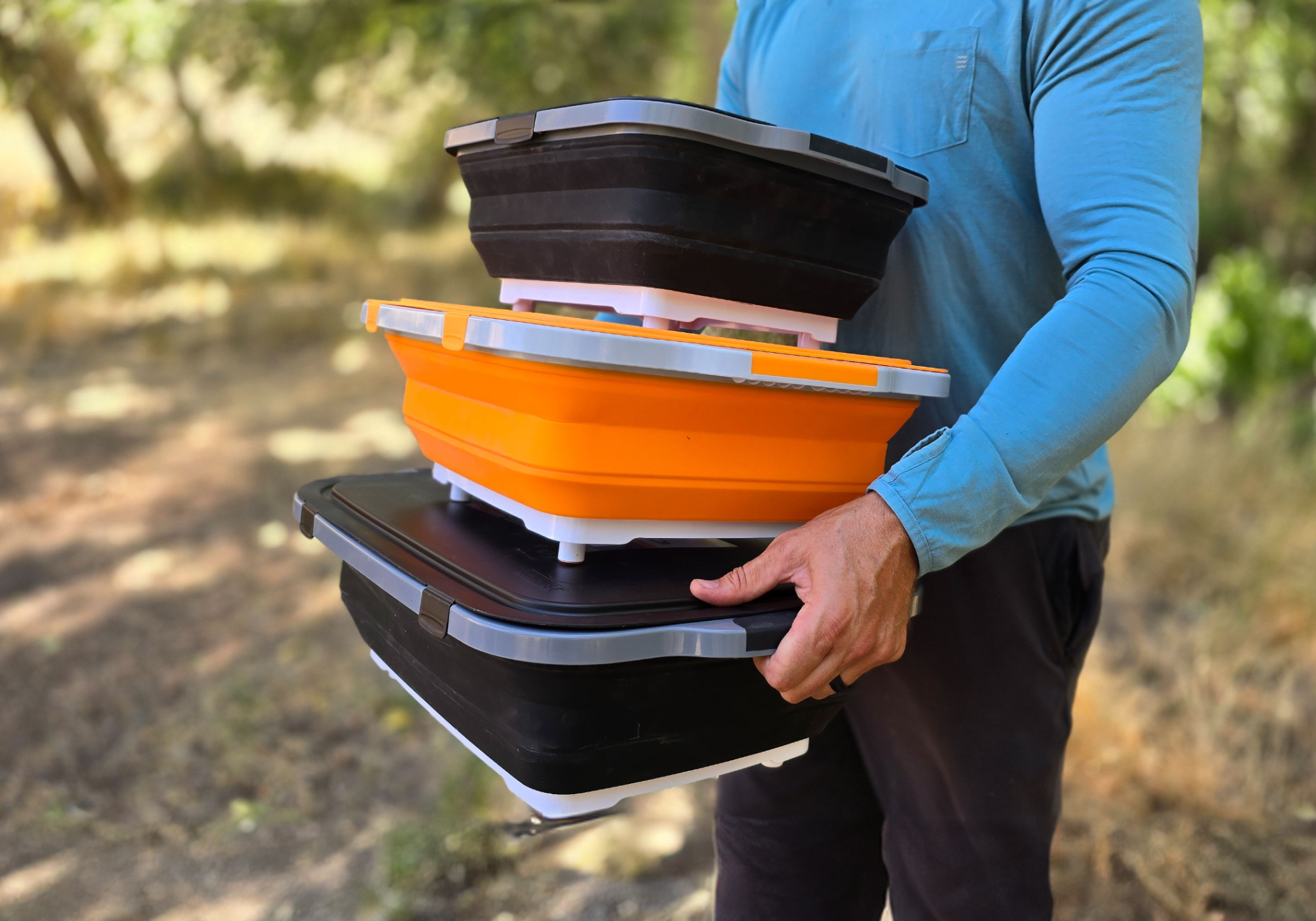
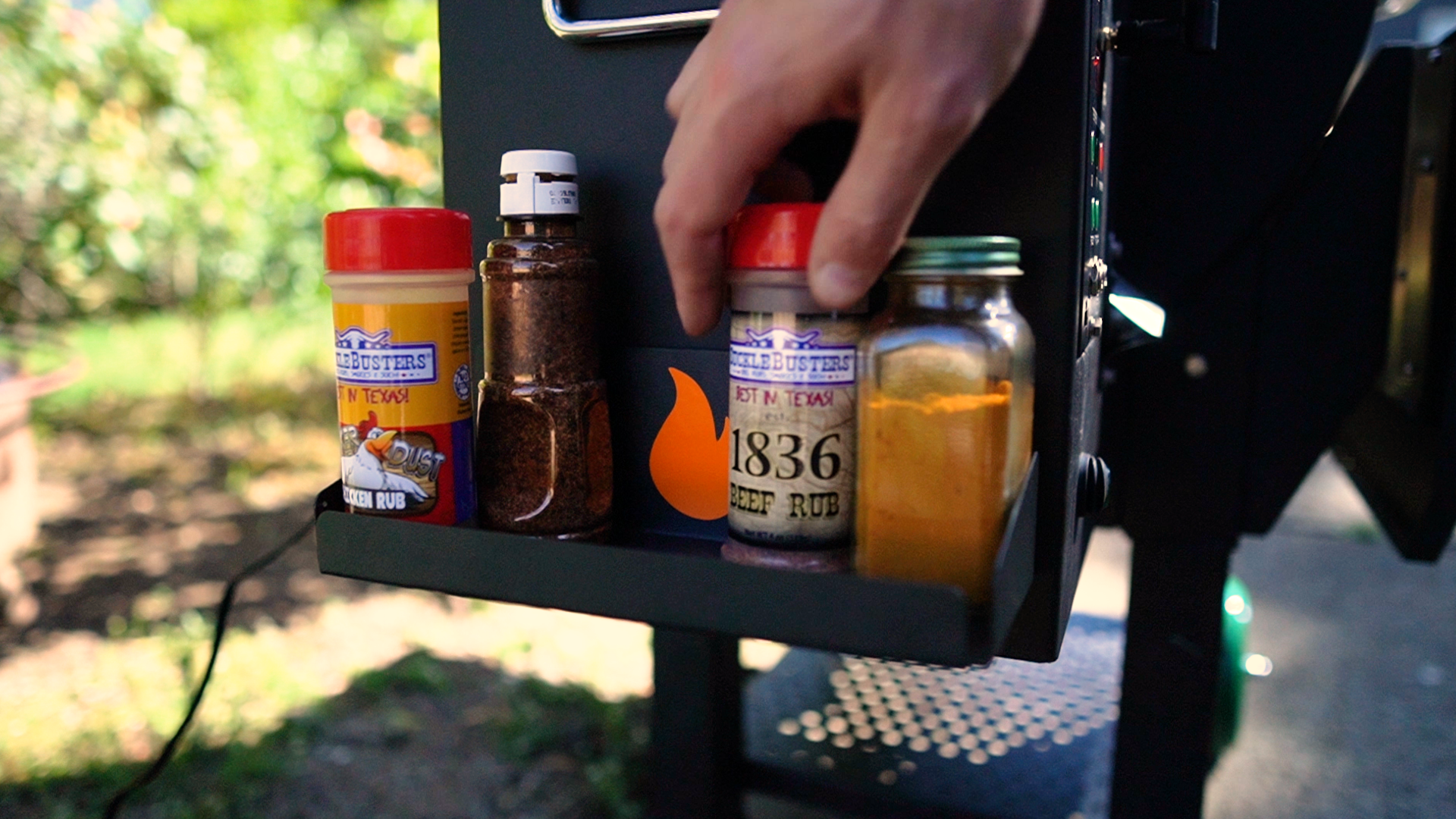
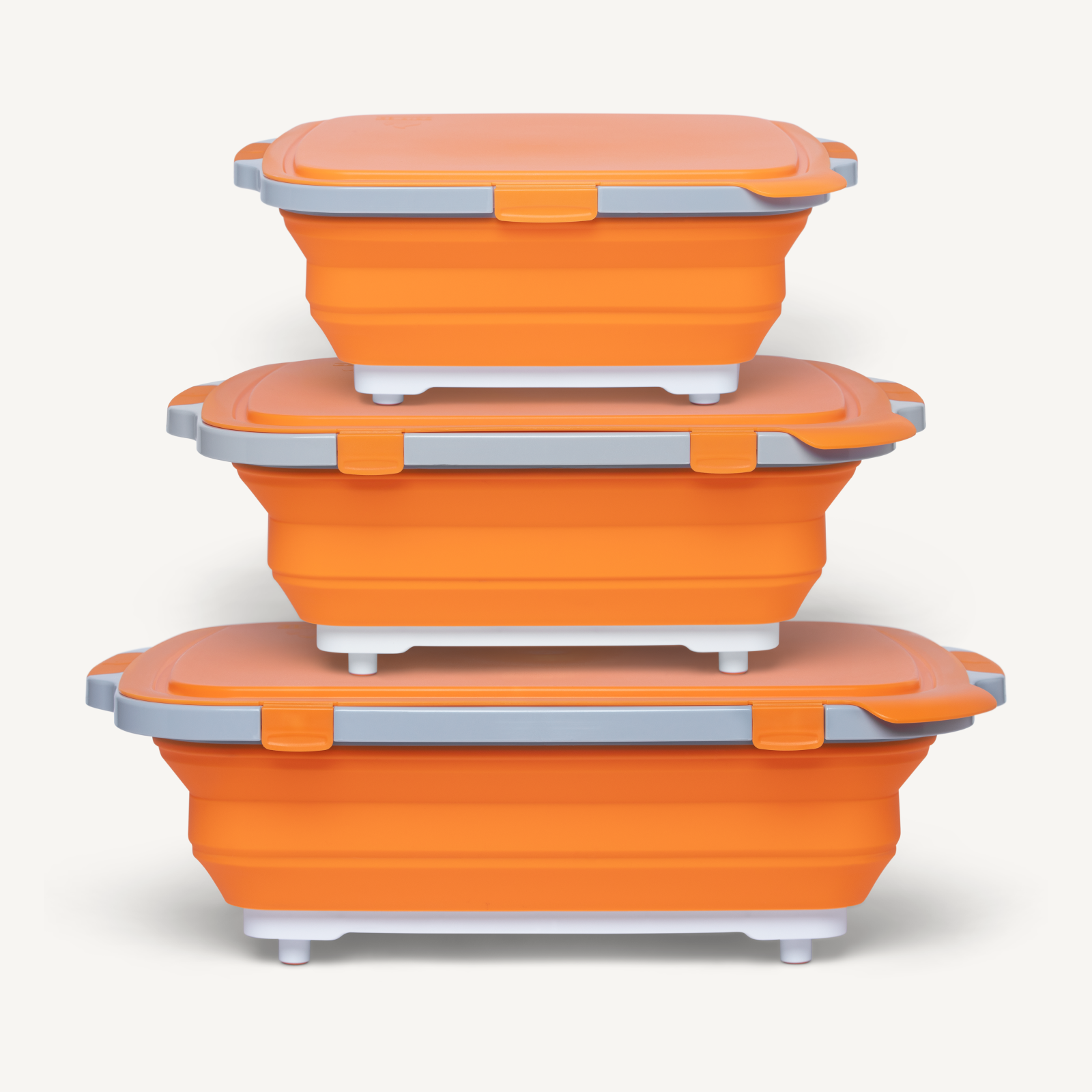
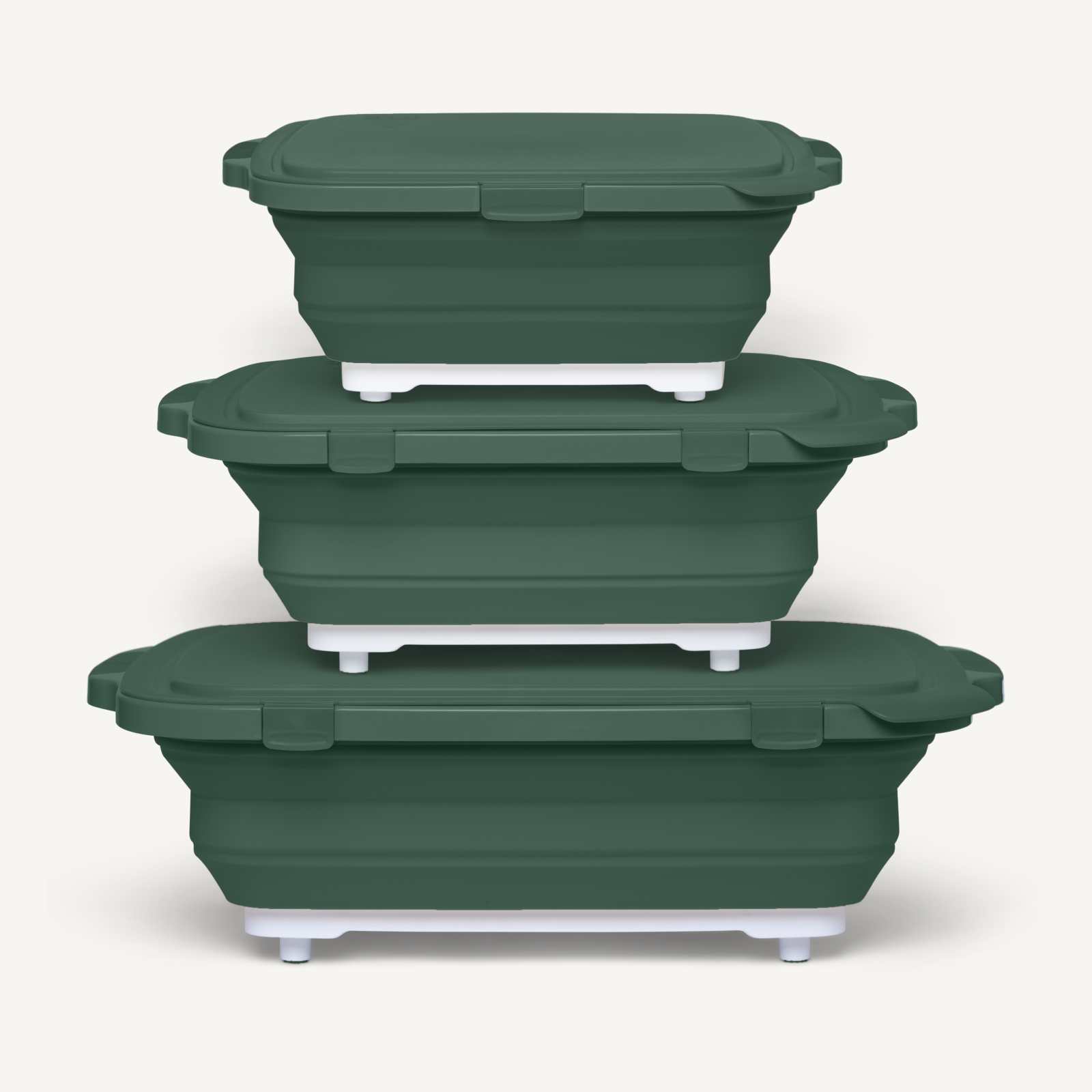
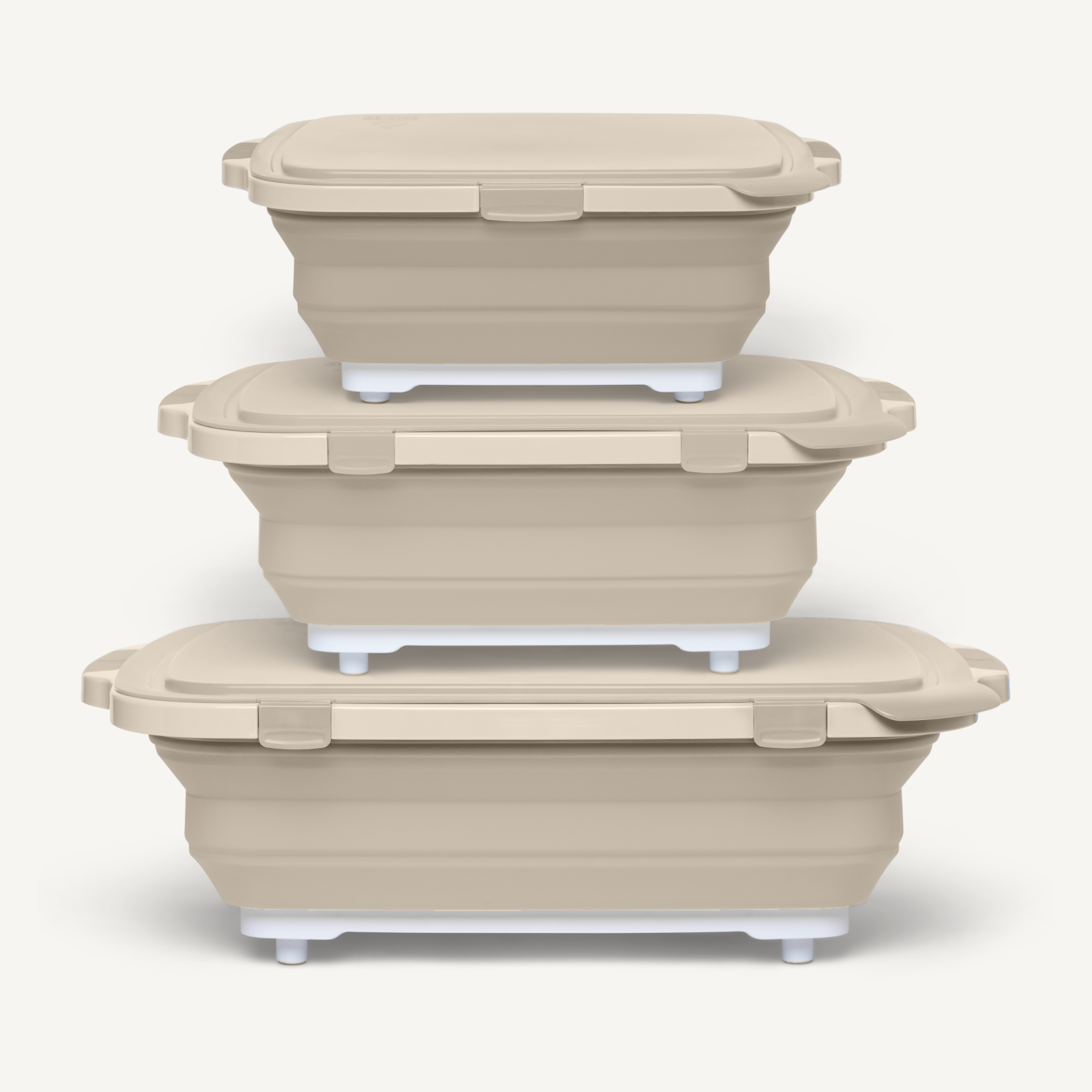
Junior, Original, or XL? Here's what each Prep Tub size is actually built for, from quick sides to a whole packer brisket.