
Have you been looking at a grill or smoker for weeks but still haven’t pulled the trigger? It’s a confusing and daunting choice. Everything costs somewhere between four hundred and four thousand dollars, every review contradicts the last one, and somewhere in there a guy with a YouTube channel told you that if you're not running an offset you're not really cooking barbecue.
Take a breath. This is not actually a gear question.
It's a cooking question, and it's the same one from our guide to cuts of meat: where a cut comes from tells you how to cook it. And how you want to cook tells you what you need to cook it on.
So before you spend any money, figure out what you actually want to be making next Saturday.
The difference between smoking and grilling
The main difference between smoking and grilling is the technique: do you need to use direct or indirect heat? In grilling, food goes over the fire, hot and fast, and it's done in minutes. You cook with radiant heat and brown the surface.
Smoking is indirect heat. Food sits beside the fire, not over it, at a low temperature for hours, in a chamber full of smoke. You're not browning anything quickly; you're giving connective tissue enough time at enough heat to break down into gelatin.
Those are two different cooking methods, and they happen to have two different appliances named after them, which is where the confusion starts, because plenty of machines can do both.
|
Temperature |
Time |
What it's for |
|
|---|---|---|---|
|
Grilling |
400–600°F, direct |
Minutes |
Tender cuts: steaks, chops, burgers, chicken pieces |
|
Hot & fast BBQ |
300–325°F, indirect |
1–5 hours |
Ribs, chicken, smaller pork cuts |
|
Smoking |
225–275°F, indirect |
4–14 hours |
Tough cuts: brisket, pork shoulder, short ribs |
High heat is about the surface. It browns, it crusts, it sears, and it does all of that in the first few minutes. That's great for a ribeye, which has nothing tough in it that needs fixing.
Low heat is about time. Collagen needs hours in the 160 to 205°F range to convert to gelatin, and you simply cannot rush that with a bigger fire. Turn the heat up on a brisket, and you get a dry brisket faster.
What each one is useful for
A grill is for weeknights. Steaks, chops, burgers, sausages, chicken thighs, shrimp, vegetables, pizza if you're feeling ambitious. Usually, grilling takes twenty to forty minutes from lighting it to eating.
A smoker is for weekends. Brisket, pork shoulder, ribs, whole chickens, chuck roast, beef short ribs. Think four to fourteen hours of smoke time, most of which you can spend doing something else.
If you're not sure which camp you're in, ask yourself: do you want to cook dinner, or do you want a hobby?
The pros and cons of each type
“Grill” covers at least three very different machines, so this is broken out by type rather than as one big column.
|
Type |
Best at |
Watch out for |
|---|---|---|
|
Gas grill |
Speed and convenience. On in 10 minutes, precise control, easy cleanup. |
Almost no smoke flavor. Struggles to hold true low-and-slow temps. |
|
Charcoal kettle |
Versatility and value. Real fire flavor, and it can smoke with a two-zone setup. |
You manage the fire yourself. There's a learning curve. |
|
Pellet grill |
Set-and-forget smoking. Dial a temp, walk away, genuinely good results. |
Most can't sear well. Electronic parts that can fail. |
|
Offset / stick burner |
Flavor. Nothing beats a live wood fire. |
Constant tending, every 30 to 45 minutes, all day. It's a commitment. |
|
Kamado |
Doing both genuinely well. Holds temperature beautifully. |
Expensive, heavy, and not going anywhere once you set it down. |
|
Electric or propane vertical |
Cheap, easy entry to smoking. Very forgiving. |
Lighter smoke flavor. Cannot grill at all. |
One honest note on pellet grills, since they're the most common first smoker: the drip bucket on the back is not self-cleaning, and it is the chore everybody puts off. A liner turns it into a ten-second job.
Can one machine do both?
Yes, mostly, with tradeoffs.
In our opinion, a charcoal kettle is the most underrated smoker on the market. Bank your coals to one side, put the meat on the other, and you have an indirect cooker. Use the snake method — a curved line of unlit briquettes with a few lit ones at one end, burning slowly around the ring — and a kettle will hold 250°F for five or six hours without much help. People smoke competition-quality ribs on hundred-dollar kettles.
A kamado is also a great option. Its ceramic holds temperature so well that it'll sit at 225°F all day and then climb to 700°F for a sear. It's the closest thing to one machine that does everything.
A pellet grill plus a cast iron pan can also be a great two-in-one solution. You won't get a true high-heat sear from the pellet grill itself, but you can finish a reverse-seared steak in a screaming hot pan on the grate.
No single machine is the best at both, but several are good enough that you'd never notice the difference at your own table.
So which should you buy - griller or smoker?
Find yourself on this list.
You cook on weeknights and want dinner in thirty minutes. Get a gas grill. Don't overthink it, don't let anyone shame you about it.
You want to learn, you have a small budget, and you'd like to try a brisket someday. Get a charcoal kettle. It's the best value in outdoor cooking, and it'll teach you fire management, which is the skill that transfers to everything else.
You want to smoke, but you don't want to babysit a fire. Go ahead, get a pellet grill. (That's why they sell so well, after all)!
You already have a grill you like, and you want to add barbecue. Buy a cheap vertical smoker instead of replacing the grill. Two machines that each do one thing well will beat one machine that does both adequately, and you'll spend less.
You want one machine forever, and the budget isn't the constraint. Kamado all the way!
Whatever you buy, these don't change
Here's the part nobody selling you a grill will tell you: the machine matters less than the technique.
Two-zone heat, an instant-read thermometer, and an actual rest will improve your cooking more than a thousand-dollar upgrade will. We wrote about the seven mistakes that cost beginners the most, and not one of them is solved by buying something.
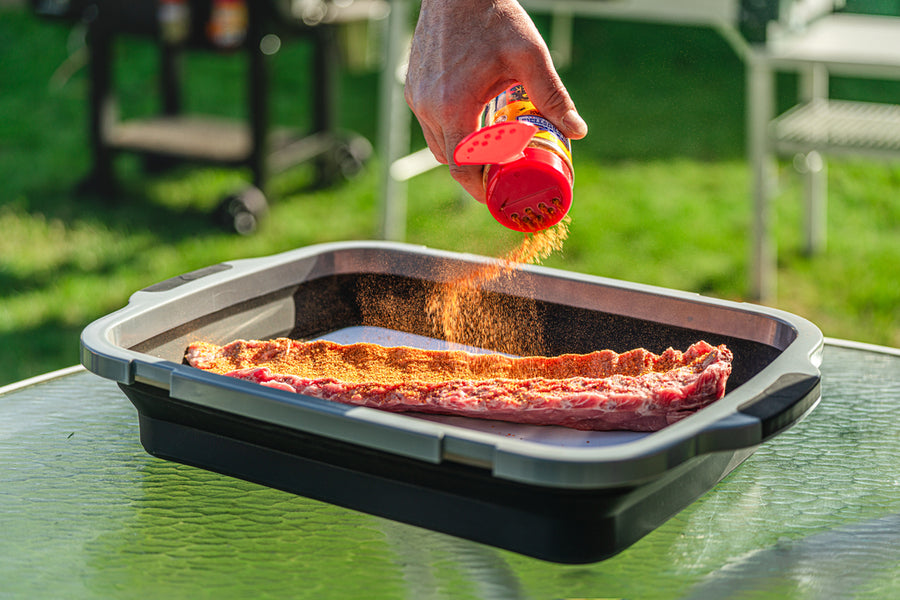
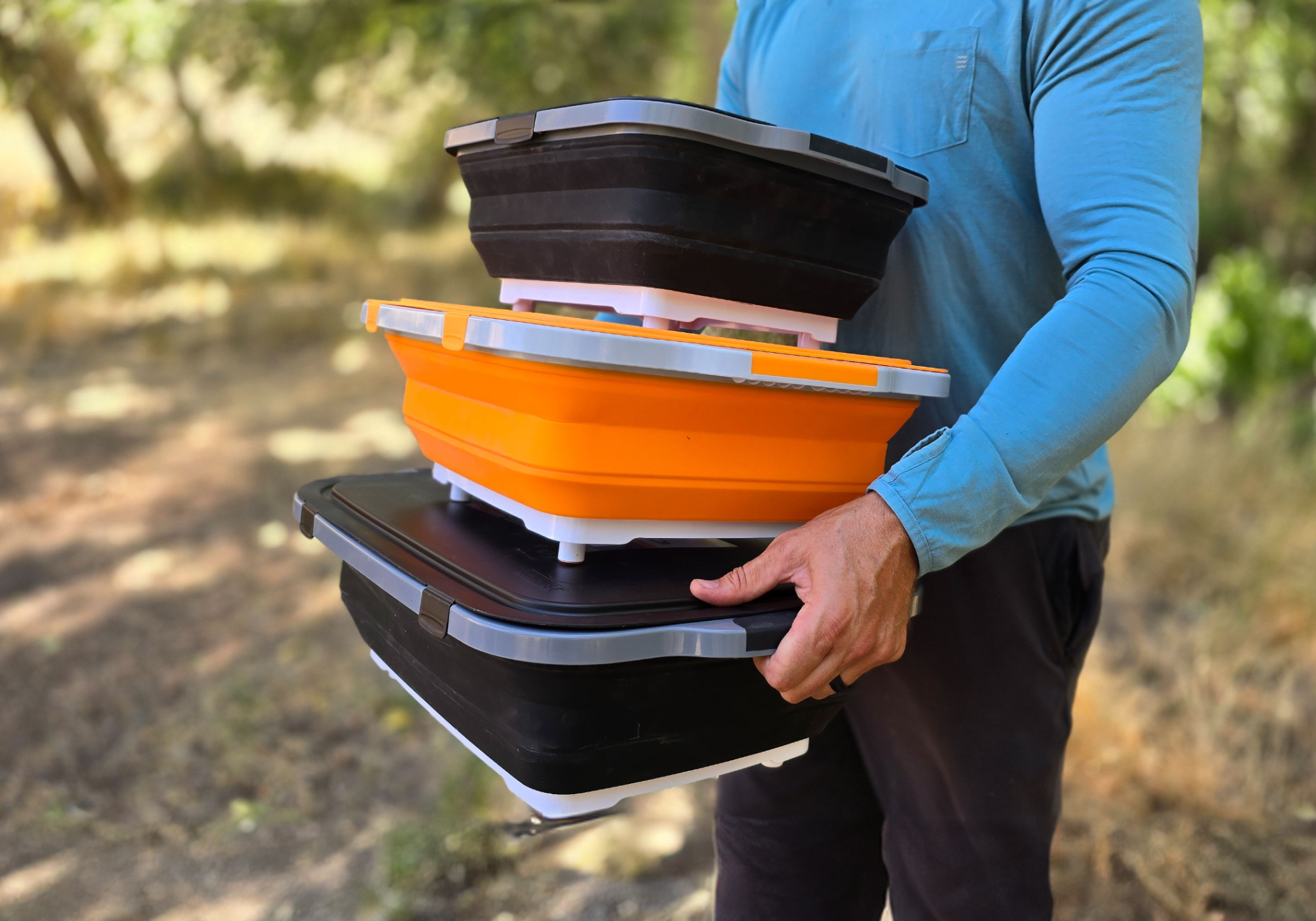
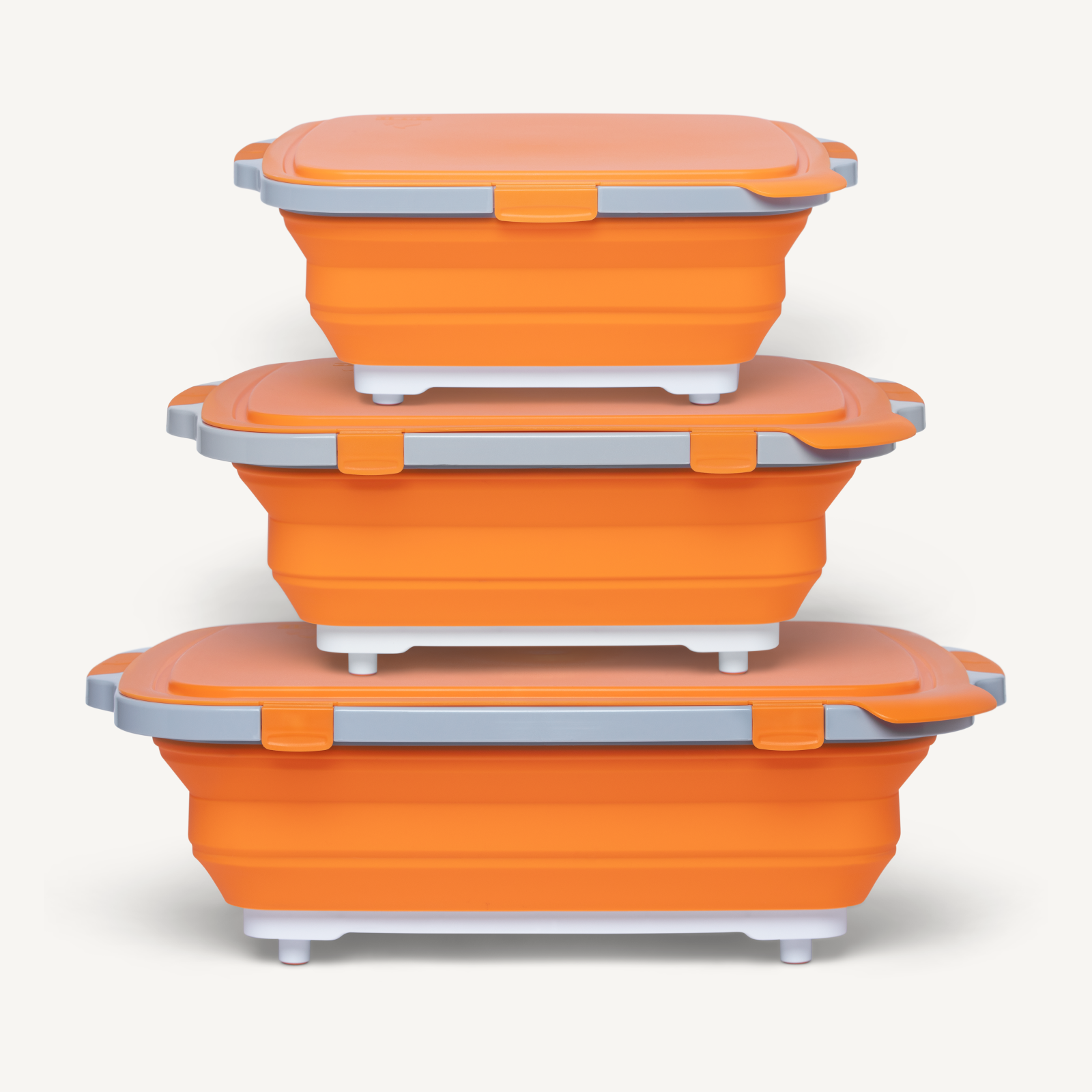
Same goes for what happens before and after the cook. Trimming and seasoning in a prep tub works the same on a gas grill as it does on an offset, and a Rest EZ® BBQ Blanket doesn't care what you cooked on either.
Buy the machine that fits your Saturdays. Then go use it. 🔥