
Ask the internet how to smoke ribs and you'll get the same three numbers back. Three hours of smoke, two hours wrapped, one hour sauced. It's the most-recommended rib method in barbecue, it's probably how you learned, and it's definitely how a lot of us learned.
It also has a reputation problem, and you've likely heard that too. Somebody in a forum will tell you 3-2-1 makes mushy ribs that fall apart in the pan before they ever reach the plate. Somebody else will tell you it's the only method that's never failed them.
They're both right, and the difference between them usually comes down to which ribs were on the grate.
So here's what 3-2-1 actually does, who it's for, and how to know when you've outgrown it.
So what is the 3-2-1 method?
Kind of like us adults (you know… reaching our prime, hitting midlife, getting old), your ribs are going to go through three phases.
Phase 1: Three hours, unwrapped.
This is the smoke phase. The ribs sit naked on the grate taking on smoke and building bark, and your only job is to hold your temp and leave the lid alone. (If things look dry around hour two, a spritz of apple juice won't hurt anything.)
Phase 2: Two hours, wrapped.
Off the grate, into foil, with liquid. Apple juice, butter, brown sugar, honey, whatever your recipe calls for. This phase isn't smoking anymore, it's braising, and that trapped steam is what blows through the stall and makes your ribs tender.
Phase 3: One hour, sauced and unwrapped.
This last hour tightens the bark back up and sets the sauce into a sticky glaze instead of letting it slide off into the fire.
It was built for spare ribs, not baby backs
3-2-1 was designed for spare ribs and St. Louis-cut racks, which are bigger, meatier, and fattier, with a lot more connective tissue to break down. Six hours is about right for them.
Baby backs are leaner, smaller, and cook faster. If you put them on the full 3, 2, 1 schedule you'll get a rack that comes apart in the pan.
So for baby backs, cut the foil phase in half. A full three hours of smoke, one hour in foil, one hour sauced keeps the bark you're building while getting the ribs out of the braise before they go soft. You'll also see 2-2-1 recommended, which takes the hour off the front instead.

So is 3-2-1 the best way to cook ribs?
It depends on the pitboss!
This method, when done right, will help you land squarely in fall-off-the-bone territory. Most guests at a backyard cookout will tell you fall-off-the-bone ribs are the best ribs they've ever had. But competition judges don't favor fall-off-the-bone ribs and want more bite.
What 3-2-1 gives you is consistency. So cook a few this way, then start adjusting.
Other things to try
Swap foil for butcher paper. Paper breathes where foil seals, so you keep far more of your bark. Our Wrap EZ heavyweight butcher paper is a good swap for this.
Or just shorten the wrap. Ninety minutes instead of two hours, then an hour. You'll find your number faster than you'd think.
Or skip the wrap entirely, if your ribs can take it. Our ambassador Erik Svendson's Iberico Baby Back Party Ribs never see foil, and that's a function of the pork, not a contradiction. Iberico is marbled enough that the fat bastes from the inside and does the wrap's job for it.
Any one of those means you've stopped cooking to a clock, which means you need another way to know when they're done.
How to tell when ribs are actually done
Ribs are one of the few cuts where a thermometer won't help you much, which is why our resting guide lists them as "not temp-based." You're going by feel, same as you do with a brisket. (Speaking of which: here's how to know when to pull one of those.)
The bend test. Pick the rack up with tongs about a third of the way down and let it hang. Done ribs bend to roughly a 45-degree angle and the surface cracks along the top. A rack that stays stiff needs more time. A rack that threatens to break in half has gone past bite and into fall-apart.
The toothpick test. Slide a toothpick or a thin probe into the meat between two bones. Same feeling you're after with a brisket: it should go in like soft butter, with no grab.
The pullback. Finished ribs have meat that's receded a quarter inch or so from the ends of the bones.
Then let them rest (briefly)
Ribs don't need the long rest a brisket does. Fifteen to thirty minutes is plenty, and a Rest EZ® BBQ Blanket will hold them right there while you get the sides finished and everybody to the table.
Then pile them up, and hand somebody a napkin.
Ready to Cook a Better Rack?
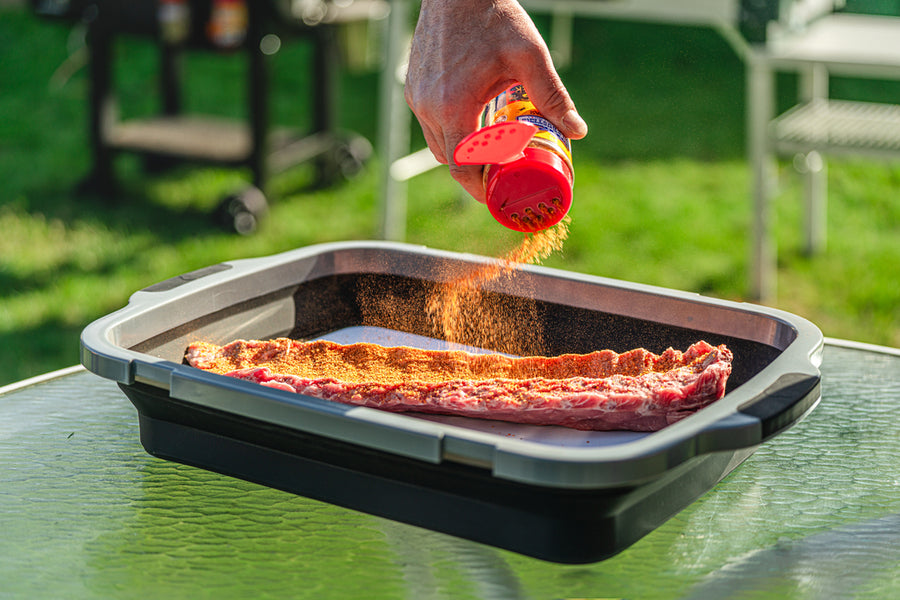
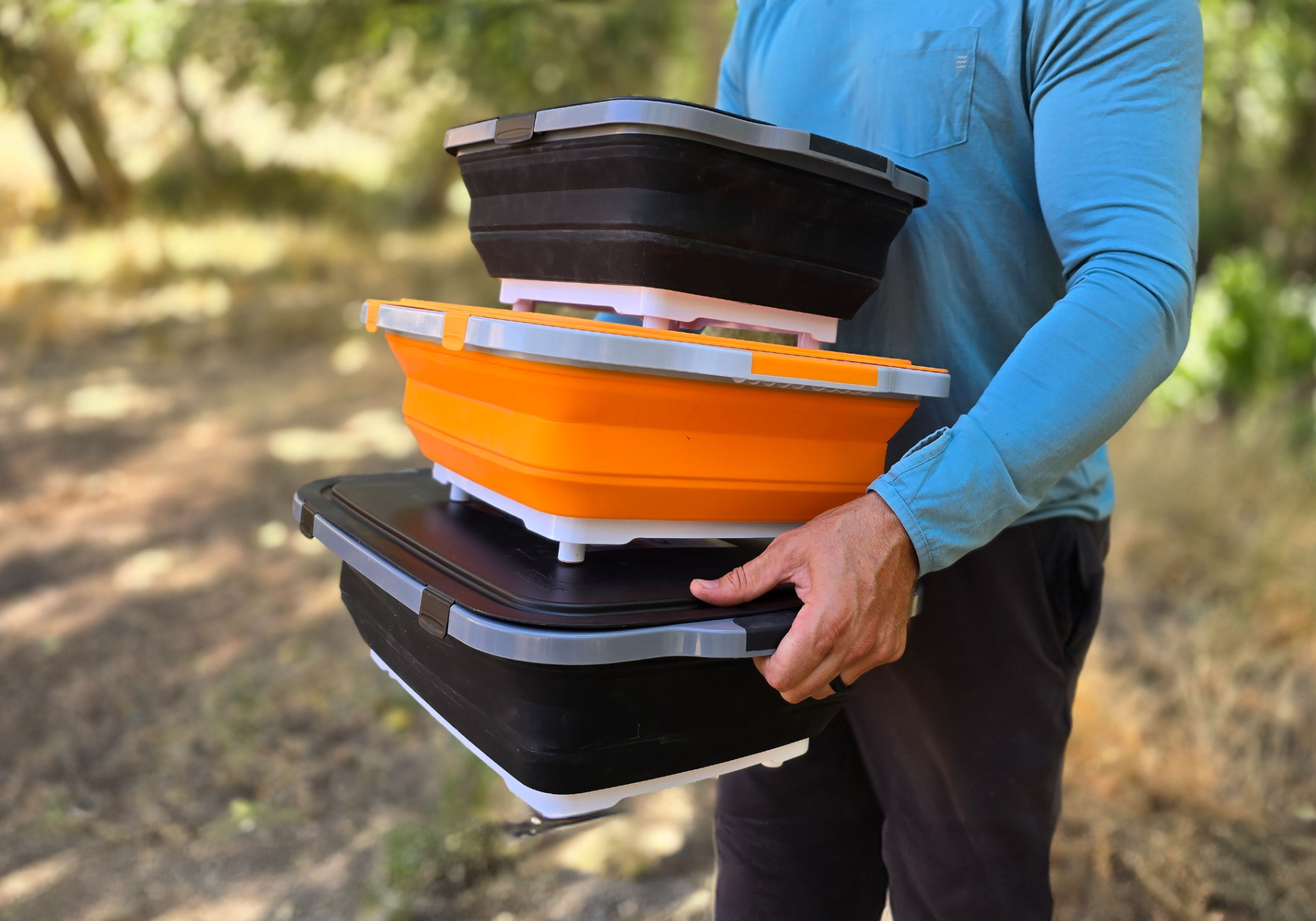
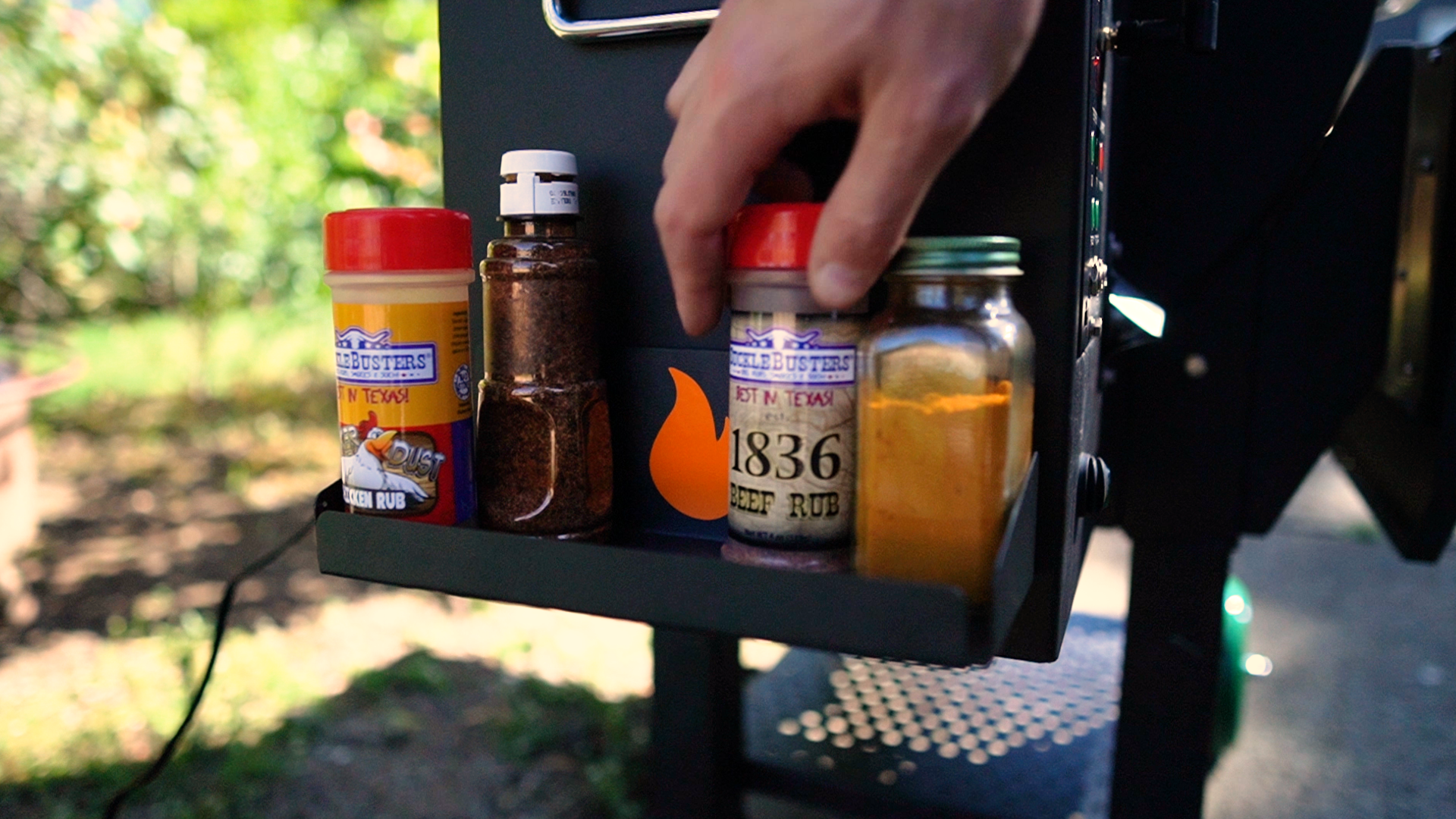
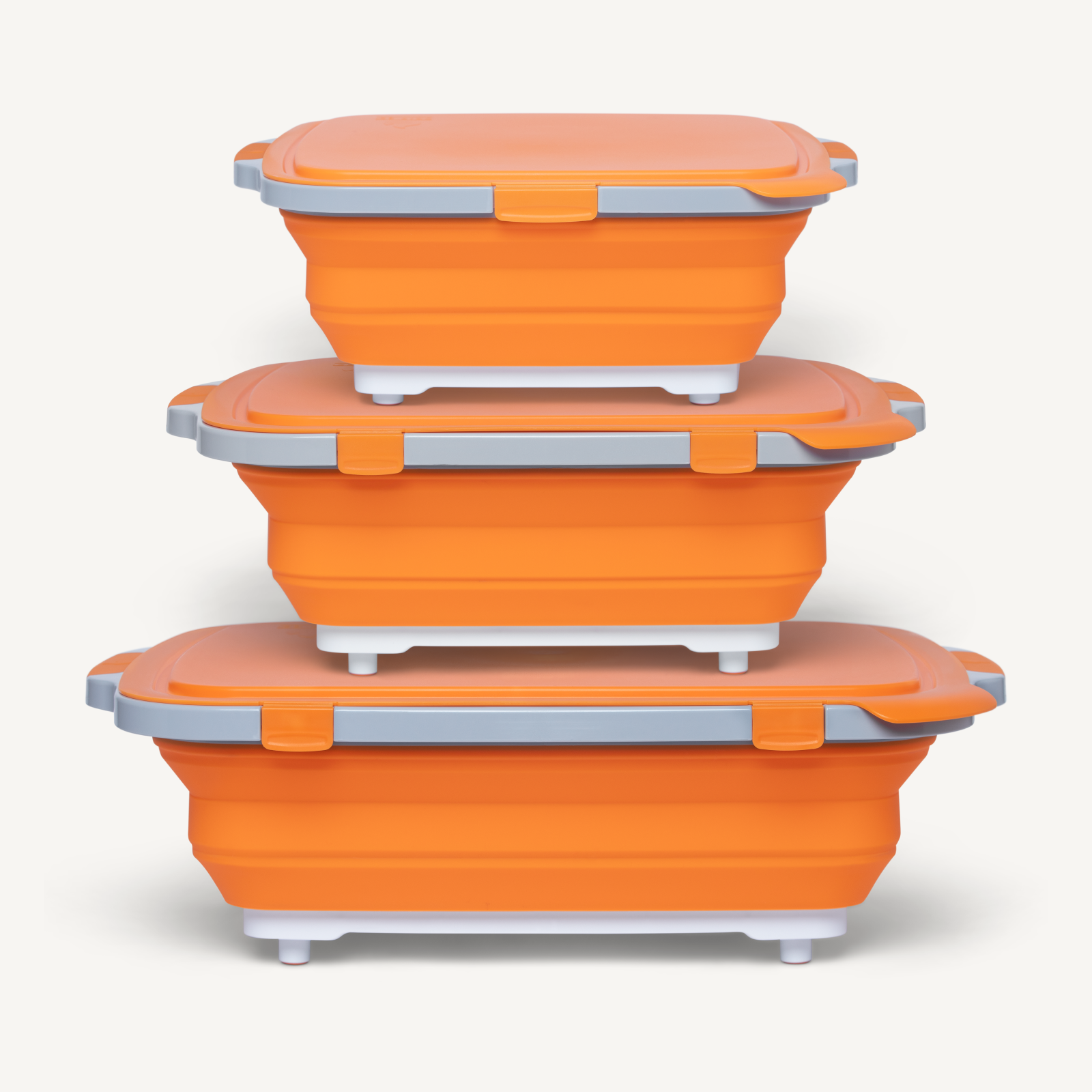
Trim, season, and carry your ribs without redecorating the counter.